
- Prepare the Ingredients
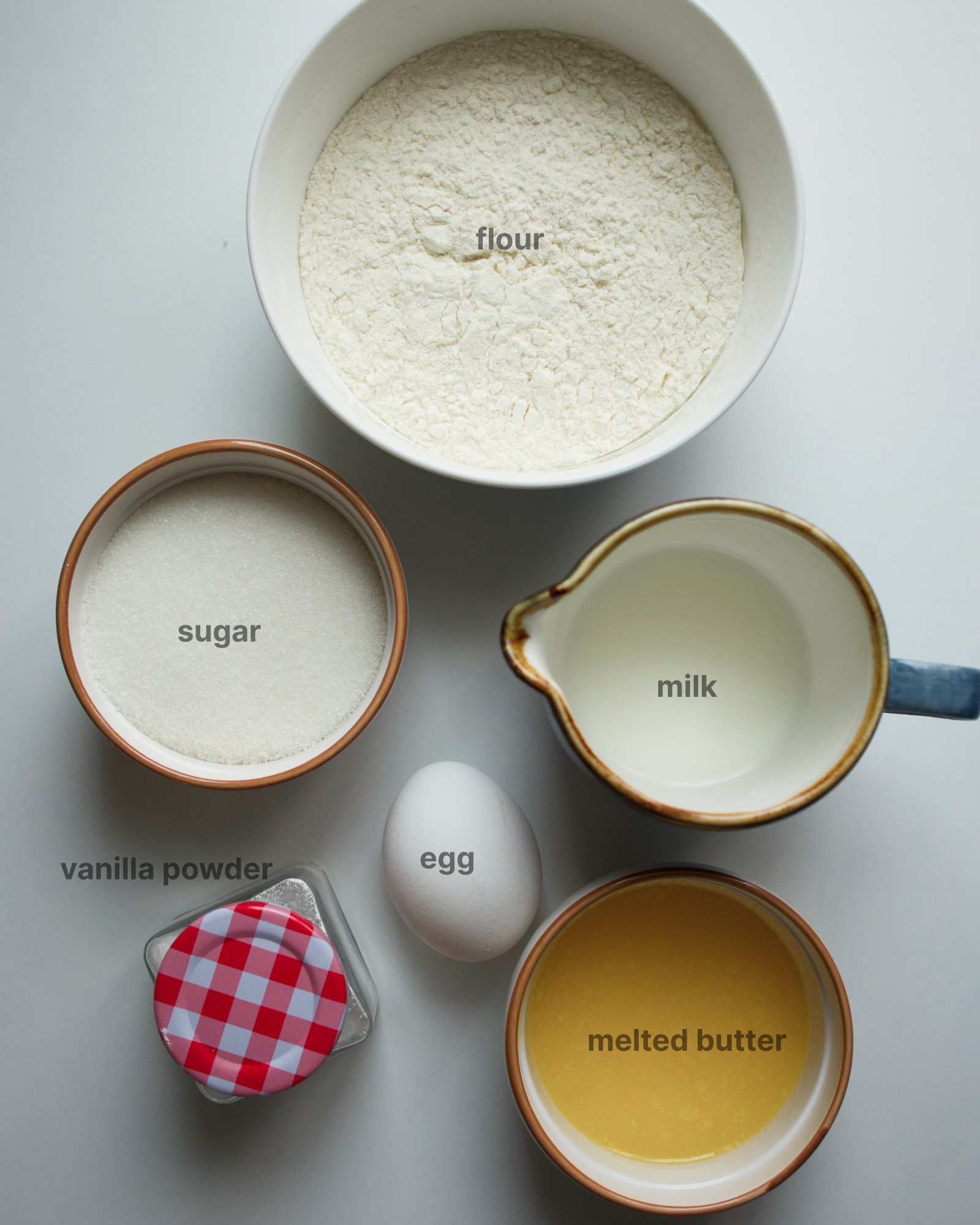
- Prepare the base mixture
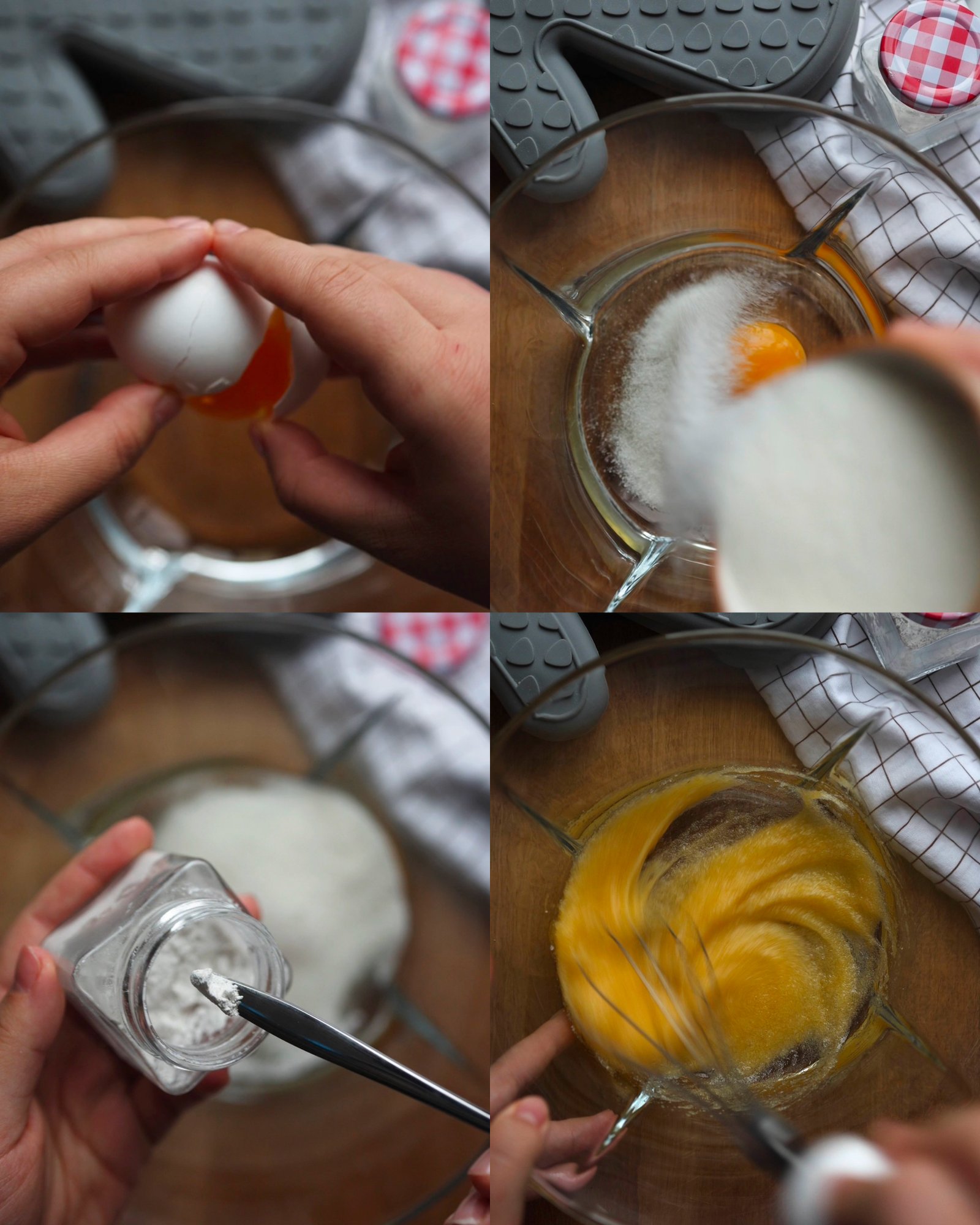
In a large mixing bowl, crack the egg and add the sugar, vanilla, and a pinch of salt. Whisk for 1–2 minutes until the mixture becomes smooth and slightly lighter in color. The sugar should begin dissolving, and the texture should look glossy rather than grainy.
- Add the liquid ingredients
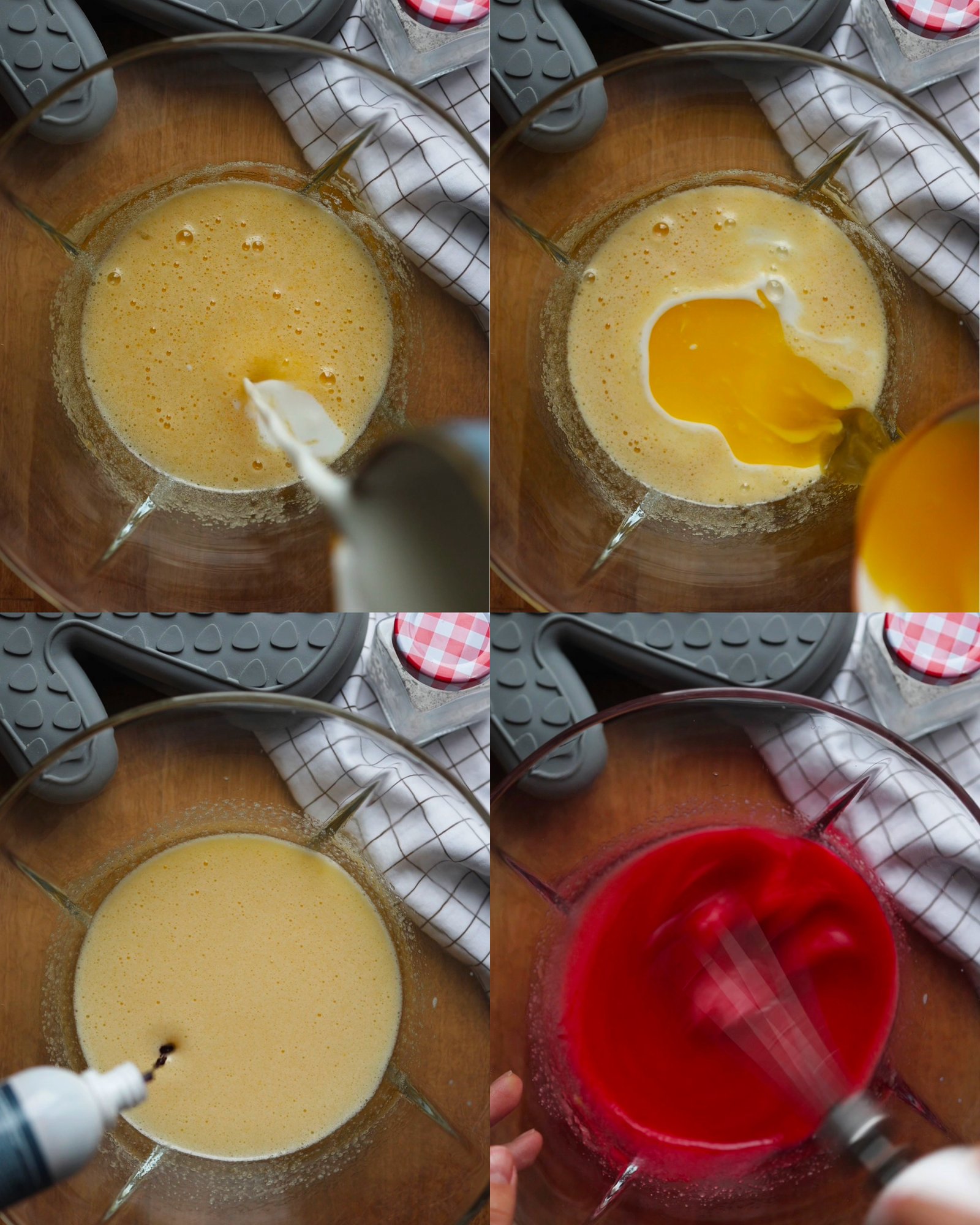
Pour in the milk and melted (but not hot) butter. The butter should be warm but comfortable to the touch — if it’s too hot, it can cook the egg. Whisk again until the mixture is fully combined and smooth. If using food coloring, add it now and mix thoroughly so the color distributes evenly throughout the dough.
- Add dry ingredients
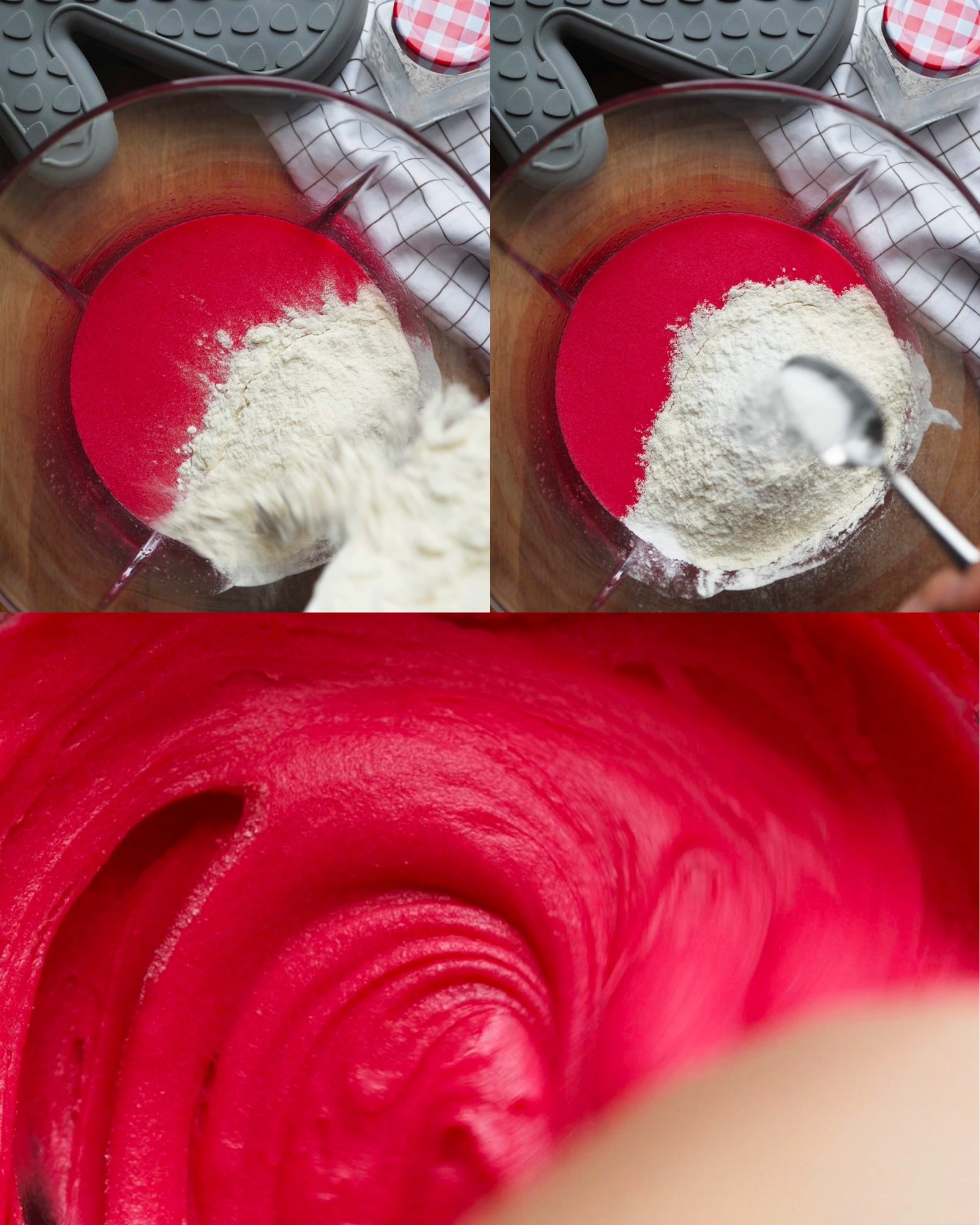
Gradually add flour then baking powder to the wet ingredients in 2–3 additions, mixing gently with a spatula or spoon. Mix just until no dry flour remains. Do not overmix, as this can make the cookies dense.
- Chill the dough
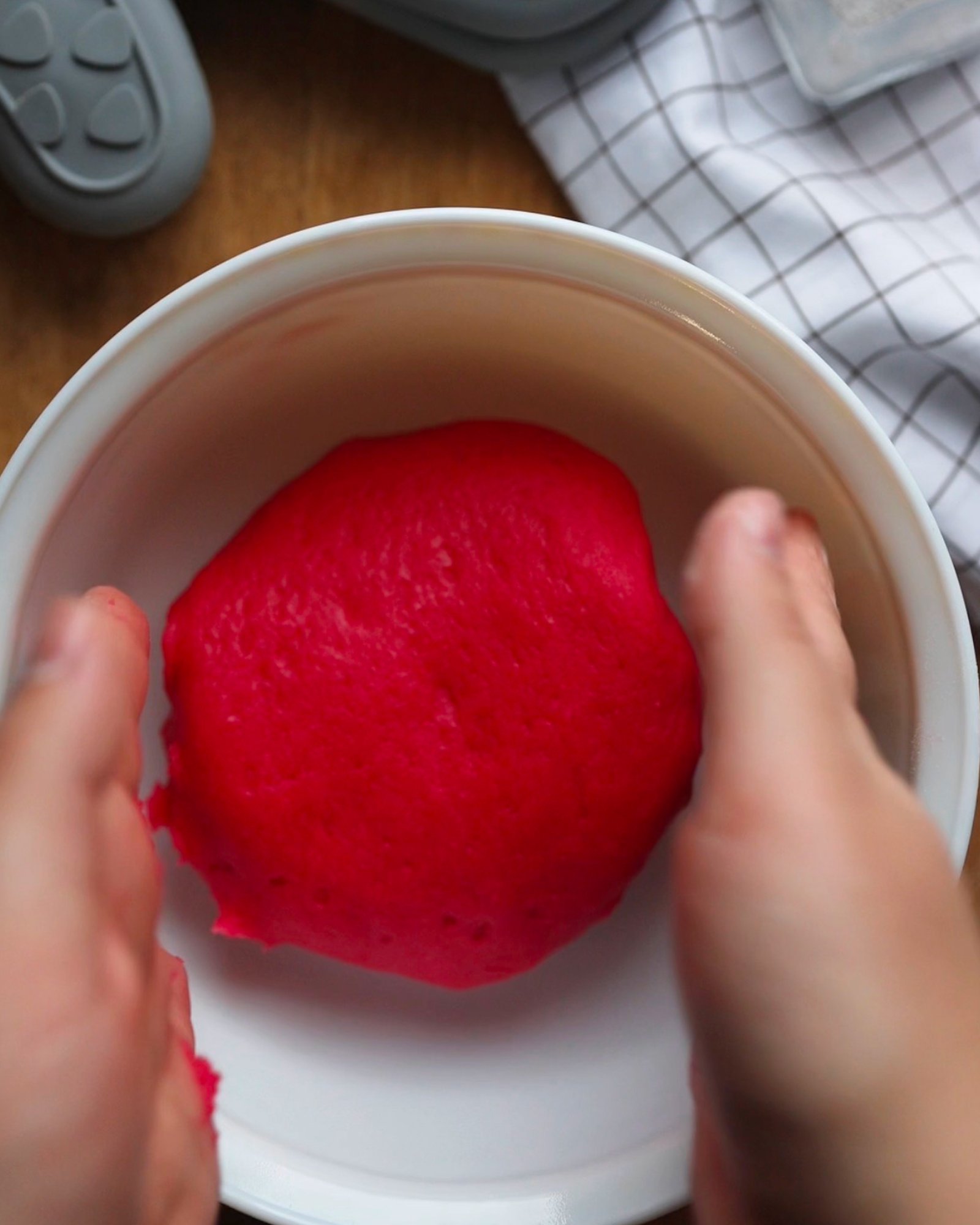
The dough should be soft, smooth, and slightly pliable — similar to modeling clay. It should not stick to your hands. If the dough feels too sticky, add 1 teaspoon of flour at a time until it reaches the correct consistency.
If it feels too dry, add 1 teaspoon of milk. Cover the bowl with plastic wrap or a lid and refrigerate for 20–30 minutes. This step helps the butter firm up, prevents spreading during baking, and makes the dough easier to shape.
- Shape the cookies
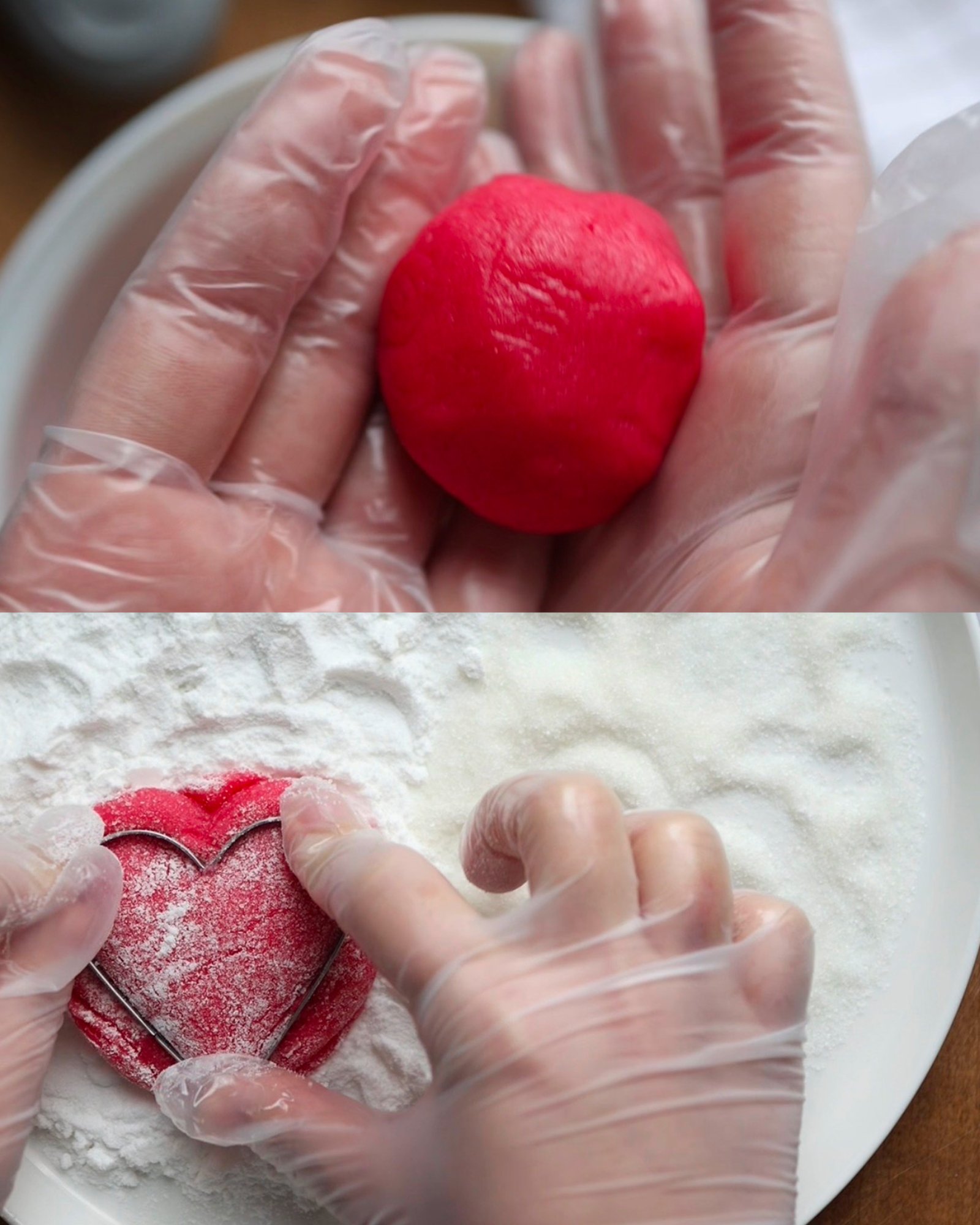
Preheat the oven to 180°C (350°F) and line a baking tray with parchment paper. Remove the chilled dough from the refrigerator. Roll small portions (about 1 tablespoon each) into smooth balls using your hands, or roll out the dough (about 5–7 mm thick) and cut into shapes.
For beautiful crackled cookies: first roll each dough ball in granulated sugar, then generously coat it in powdered sugar. This double coating creates a stunning crinkle effect as the cookies bake. For beautiful crackled cookies: first roll each dough ball in granulated sugar, then generously coat it in powdered sugar. This double coating creates a stunning crinkle effect as the cookies bake.
- Bake

Bake in the preheated oven for 12–15 minutes. The cookies are ready when the edges turn lightly golden, but the centers still look slightly soft. Do not wait until they are fully browned — they will continue to cook slightly from residual heat after removing from the oven.
- Cool properly
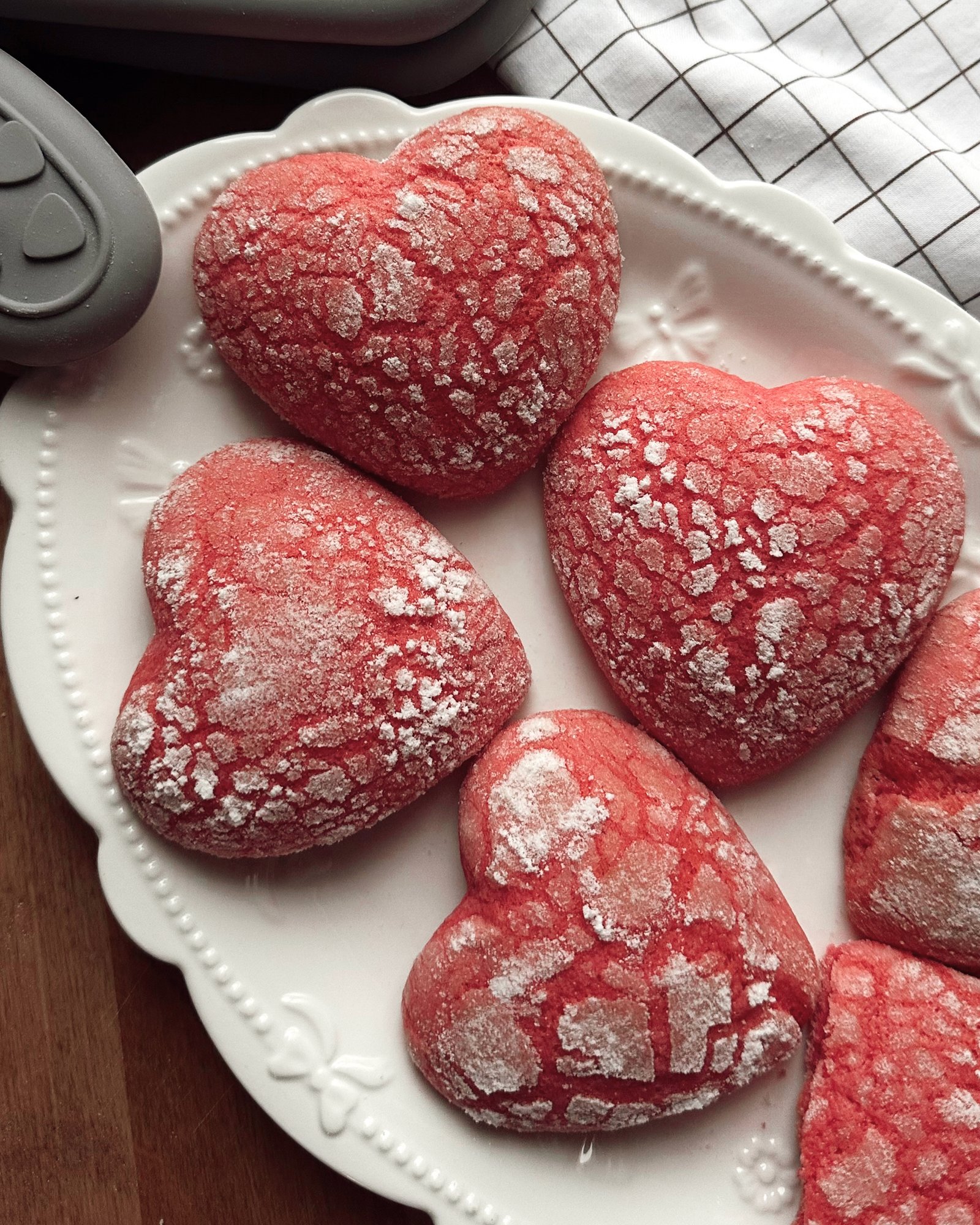
Let the cookies rest on the baking tray for 5 minutes to firm up. Then transfer them to a wire rack to cool completely. This prevents excess moisture from forming underneath and keeps the bottoms from becoming soggy.
❗️ Important: Do not overbake — the cookies will continue to set as they cool.
Per serving
- Calories:115 kkal
- Protein:2 g
- Carbohydrates:15 g
- Fat:5 g
- Fiber:1 g
- Sugar:7 g
- Salt:100 mg
- Energy:500 kJ
Soft, buttery, and perfectly sweet — this universal cookie dough is your go-to base for endless cookie variations. Made with simple pantry ingredients, it comes together in minutes and bakes into tender cookies with lightly golden edges. Perfect for everyday baking, holidays, or fun baking sessions with kids.
Table of Contents
• What Is Universal Cookie Dough?
• Why You’ll Love This Recipe
• Recipe Variations
• How To Store
• Frequently Asked Questions
What Is Universal Cookie Dough?
Universal cookie dough is a simple, classic dough made from basic baking staples like flour, sugar, butter, and eggs. It creates soft, tender cookies that can be shaped, flavored, colored, or customized however you like.
Think of it as your “master dough” — perfect for cut-out cookies, sprinkle cookies, chocolate chip additions, or festive designs.
Why You’ll Love This Recipe
• Made with simple kitchen ingredients
• No complicated techniques required
• Soft texture with lightly crisp edges
• Easy to customize with flavors or add-ins
• Perfect base recipe for any occasion
Recipe Variations
• Chocolate chip version: Add 50–70 g chocolate chips to the dough
• Citrus flavor: Add lemon or orange zest
• Spiced cookies: Mix in cinnamon or nutmeg
• Festive cookies: Add sprinkles or food coloring
• Filled cookies: Wrap dough around chocolate squares or jam
How To Store
• Store baked cookies in an airtight container at room temperature for up to 4 days
• Refrigerate the raw dough for up to 2 days before baking
• Freeze the dough (shaped into balls) for up to 2 months and bake from frozen (add 1–2 extra minutes)
Frequently Asked Questions
Why is my dough sticky?
It may need a little more flour. Add 1 teaspoon at a time until the texture is soft but workable.
Can I skip chilling the dough?
Chilling helps prevent spreading. If skipped, cookies may spread more while baking.
Can I double the recipe?
Yes! This recipe doubles easily for larger batches.
How do I keep cookies soft?
Do not overbake and store them in an airtight container once fully cooled.