Smart Nutrition — or Just Another Food Trend?
Walk into any grocery store today and you’ll see it everywhere.
High-protein yogurt.
Protein chips.
Protein cereal.
Protein coffee.
Even protein ice cream.
Protein has officially become the superstar of modern nutrition. But why is everyone suddenly talking about it? And more importantly — do we actually need more protein, or is this just clever marketing?
Let’s break it down.
The Rise of the Protein Craze
Over the past few years, several trends have collided:
- Fitness culture became mainstream
- Strength training grew more popular than cardio
- Social media influencers began promoting “high-protein everything”
- Weight loss conversations shifted toward muscle retention
- Low-carb and keto diets normalized higher protein intake
Platforms like TikTok and Instagram are filled with “What I Eat in a High-Protein Day” videos. Protein coffee (also called “proffee”) went viral. Cottage cheese became cool again.
But this isn’t just a social media phenomenon. Food brands noticed the demand and responded fast.
Protein sells because it signals:
- Strength
- Health
- Satiety
- Discipline
- Fat loss
It feels powerful.

Why Protein Actually Matters
Unlike trends that fade quickly, protein does have real, science-backed importance.
Protein is made up of amino acids — the building blocks your body uses to:
- Build and repair muscle
- Support immune function
- Produce hormones and enzymes
- Maintain healthy skin, hair, and nails
- Keep you full longer
One of protein’s biggest advantages? Satiety.
Compared to carbohydrates and fats, protein helps you feel full for longer. This is one reason high-protein diets are often associated with easier weight management.
When you eat enough protein:
- Blood sugar tends to stay more stable
- Energy crashes are reduced
- Cravings can decrease
That’s not hype — that’s physiology.
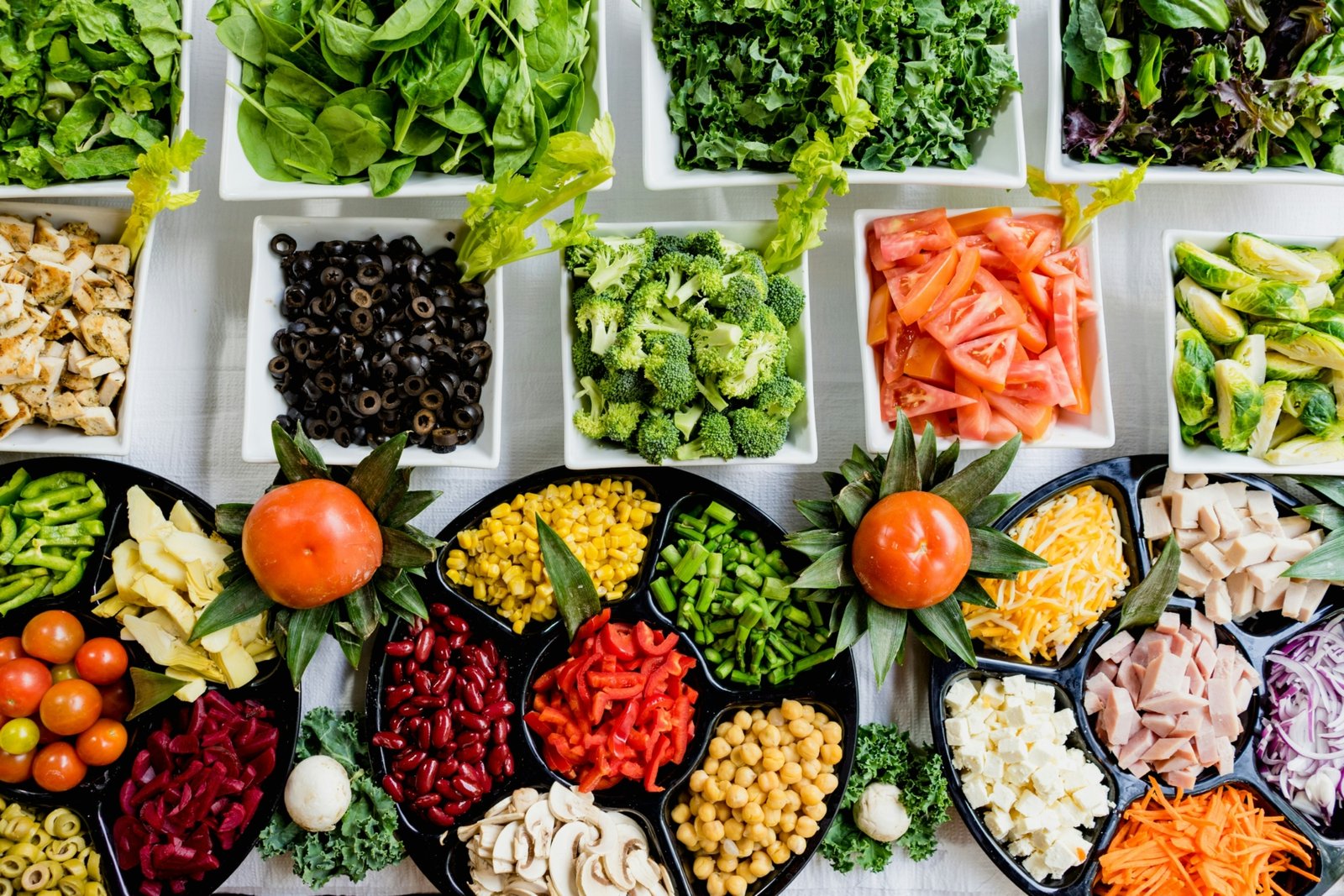
How Much Protein Do You Actually Need?
Here’s where things get interesting.
The basic recommended dietary allowance (RDA) for adults is about:
0.8 grams of protein per kilogram of body weight
For someone weighing 70 kg (154 lbs), that’s around 56 grams per day.
But — and this is important — that number represents the minimum to avoid deficiency, not necessarily the optimal amount for active people.
Many experts suggest:
- Sedentary adults: 0.8–1.0 g/kg
- Active individuals: 1.2–1.6 g/kg
- Strength training or muscle building: up to 2.0 g/kg
For most people, somewhere between 1.2–1.6 g/kg is more than sufficient.
The problem? Social media often pushes intakes far beyond what’s necessary for the average person.
When Protein Becomes Overhyped
More isn’t always better.
Here’s where the protein trend can go too far:
1. Replacing Whole Foods With Processed “High-Protein” Products
Not all protein foods are equal. A protein cookie is still a cookie. Many packaged “high-protein” products are highly processed and expensive.
2. Ignoring Overall Diet Balance
A healthy diet isn’t just about protein. You still need:
- Fiber
- Healthy fats
- Micronutrients
- Variety
3. Thinking Protein Alone Causes Weight Loss
Protein helps with fullness, yes. But total calorie intake still matters.
4. Fear of Carbohydrates
Some high-protein messaging indirectly promotes carb avoidance — which isn’t necessary for most people.
Protein is important. But it’s not magic
The Smart Way to Add More Protein (Without Extremes)
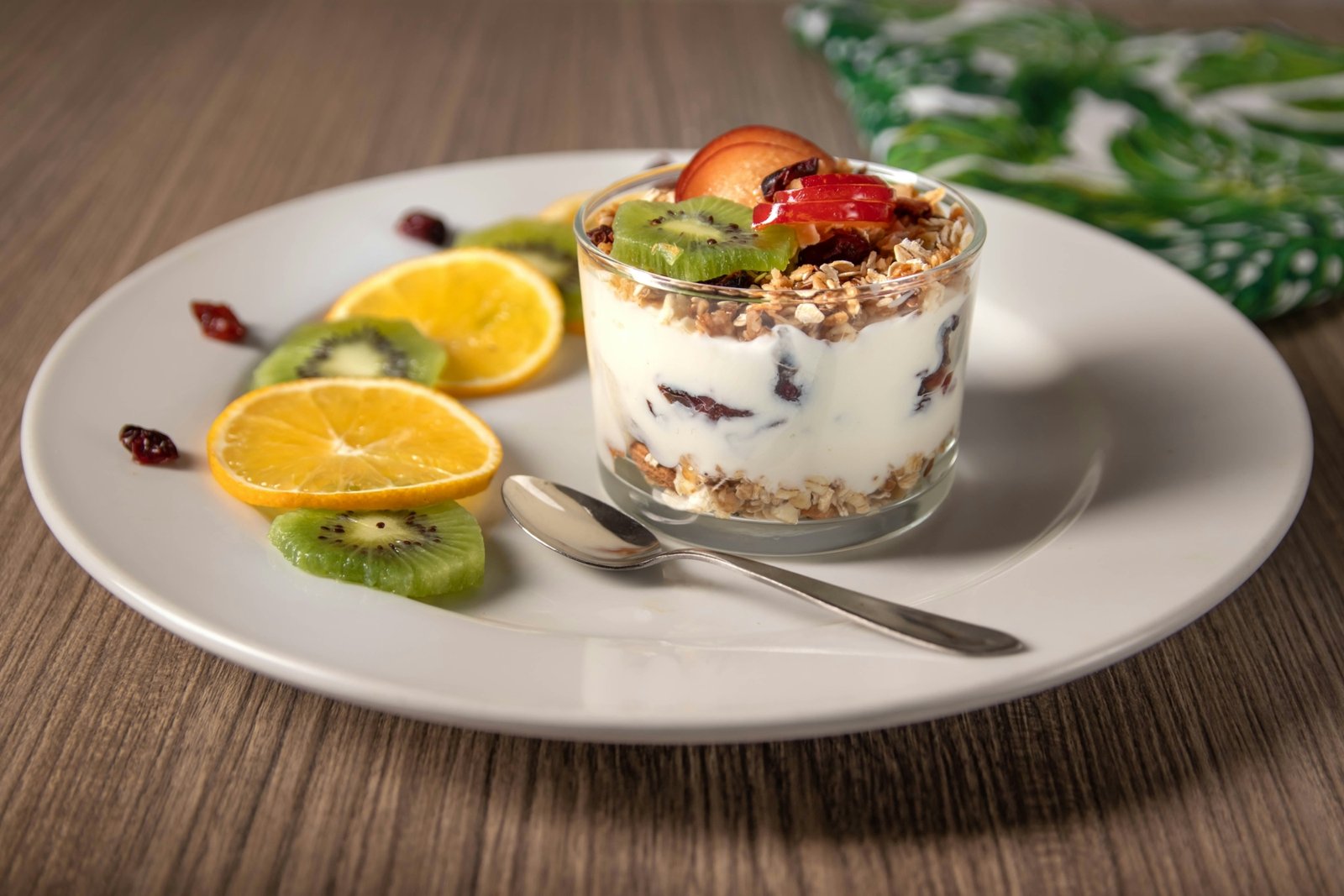
If you suspect you’re not eating enough protein, small adjustments go a long way.
Practical Swaps:
- Add Greek yogurt instead of regular yogurt
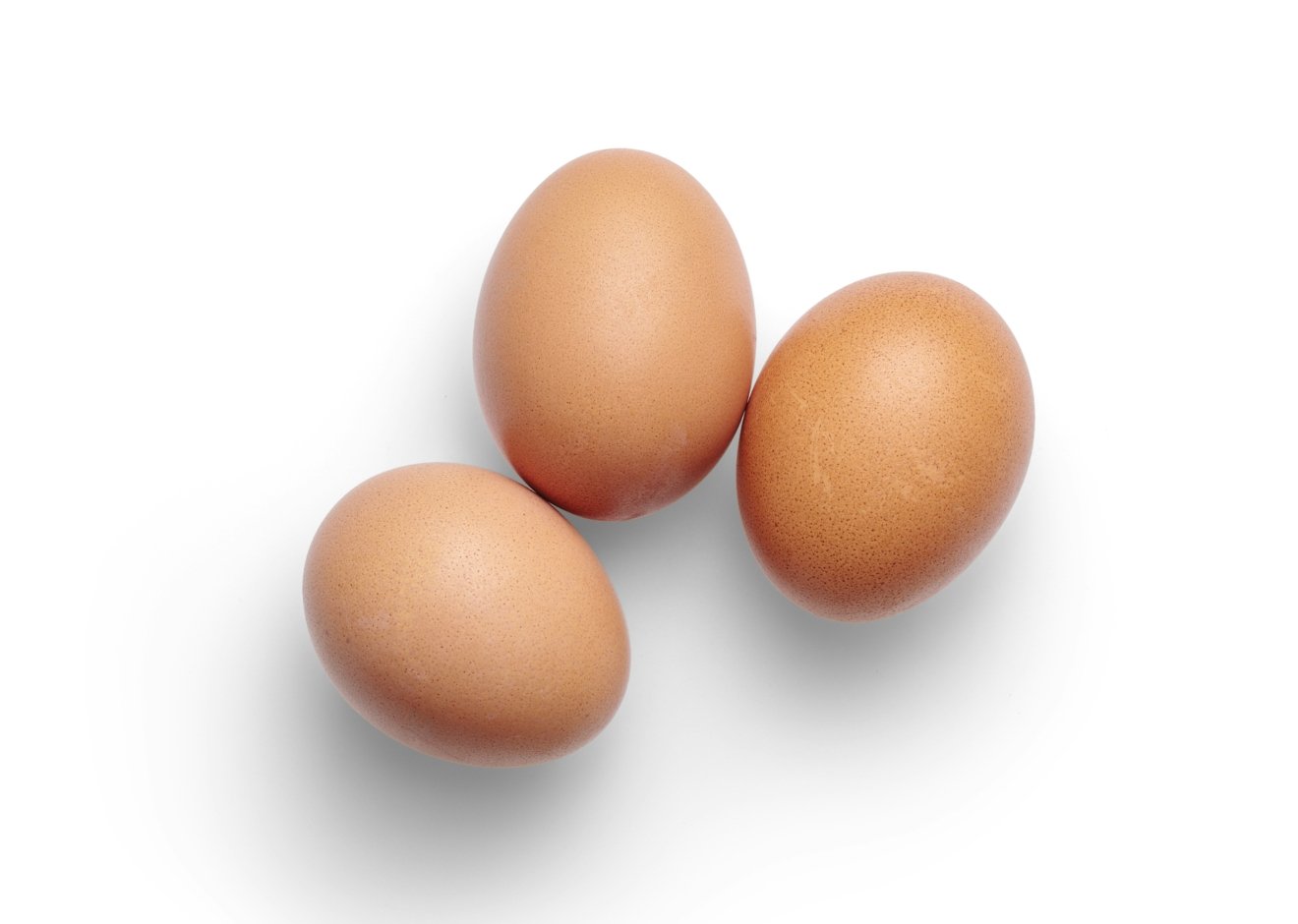
- Include eggs at breakfast
- Add beans or lentils to salads
- Choose cottage cheese as a snack
- Pair carbs with a protein source
Instead of aiming for “as much as possible,” think:
Protein at every meal.
A simple structure:
- Breakfast: 20–30g
- Lunch: 25–35g
- Dinner: 25–35g
- Optional snack: 10–20g
No protein powder required (unless you genuinely need convenience).
Is the Protein Trend Actually Helpful?
In many ways — yes.
For years, many people under-ate protein, especially women and older adults. The current focus has encouraged:
- Strength training
- Muscle preservation
- Better satiety
- More awareness of macronutrients
That’s positive.
However, when marketing turns protein into a moral badge of honor, it becomes less helpful and more performative.
Health doesn’t require obsessing over grams at every meal.
Who Benefits Most From Higher Protein?
Higher protein intake can be especially beneficial for:
- People trying to lose weight
- Adults over 40 (muscle preservation becomes crucial)
- Athletes and strength trainers
- Those recovering from illness or injury
- People who struggle with constant hunger
For someone sedentary with balanced meals? A moderate increase is enough.
The Bottom Line
Protein isn’t just another fleeting trend.
It’s a genuinely important nutrient that supports strength, metabolism, and overall health.
But the obsession? That part is cultural.
The smartest approach isn’t extreme high-protein everything. It’s balanced, consistent intake from mostly whole foods.
Instead of asking:
“How can I eat as much protein as possible?”
Ask:
“Am I eating enough to support my body?”
That shift changes everything.