Have you ever tried to recreate a restaurant dish at home, only to find it falls short of your expectations? That perfectly seared steak, golden fries, or richly flavored pasta just doesn’t taste the same. The truth is, there’s science, technique, and psychology behind why restaurant food often outshines home cooking.
In this article, we explore the secrets chefs use and share practical tips to bring some of that magic into your own kitchen.
High Heat and Professional Equipment
One of the most significant differences between home kitchens and restaurants is temperature. Commercial ovens, stoves, and burners reach levels most home kitchens cannot achieve.
High heat creates better sears, caramelization, and crispiness. Professional chefs also rely on specialized pans, broilers, and salamander ovens to achieve precise textures. Even simple tasks like roasting vegetables or searing meat benefit greatly from higher, consistent heat.
Flavor Layering and Umami
Restaurants don’t rely on a single ingredient for flavor. They build depth by layering tastes.
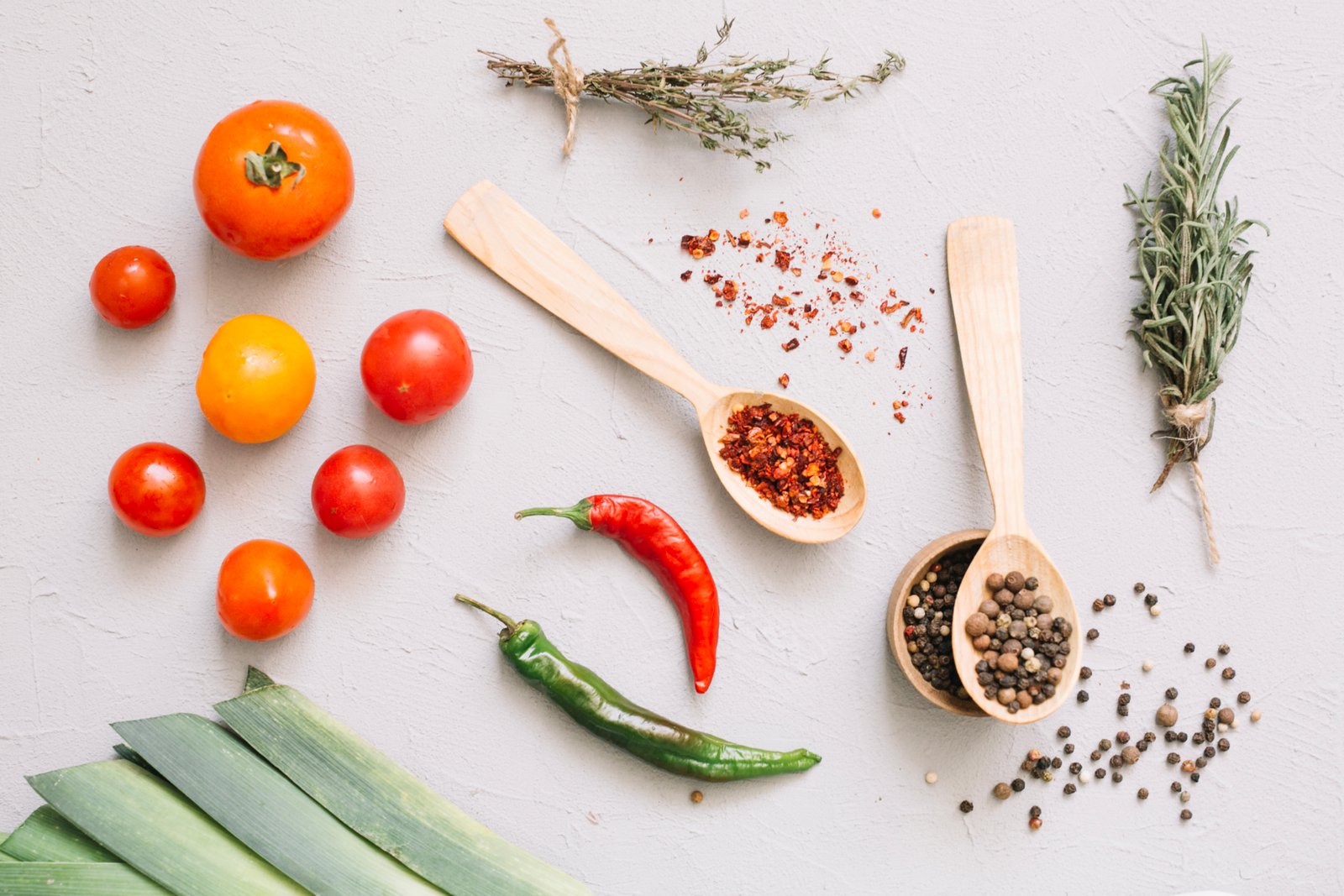
Salt, fat, and sugar are carefully balanced, while umami-rich ingredients such as Parmesan, soy sauce, mushrooms, or anchovies subtly enhance the overall profile. Stocks, sauces, and reductions add richness and complexity that home cooks often miss. Without these layers, even fresh ingredients can taste flat.
Precision and Technique
Timing and technique are what separate professional cooking from home attempts.
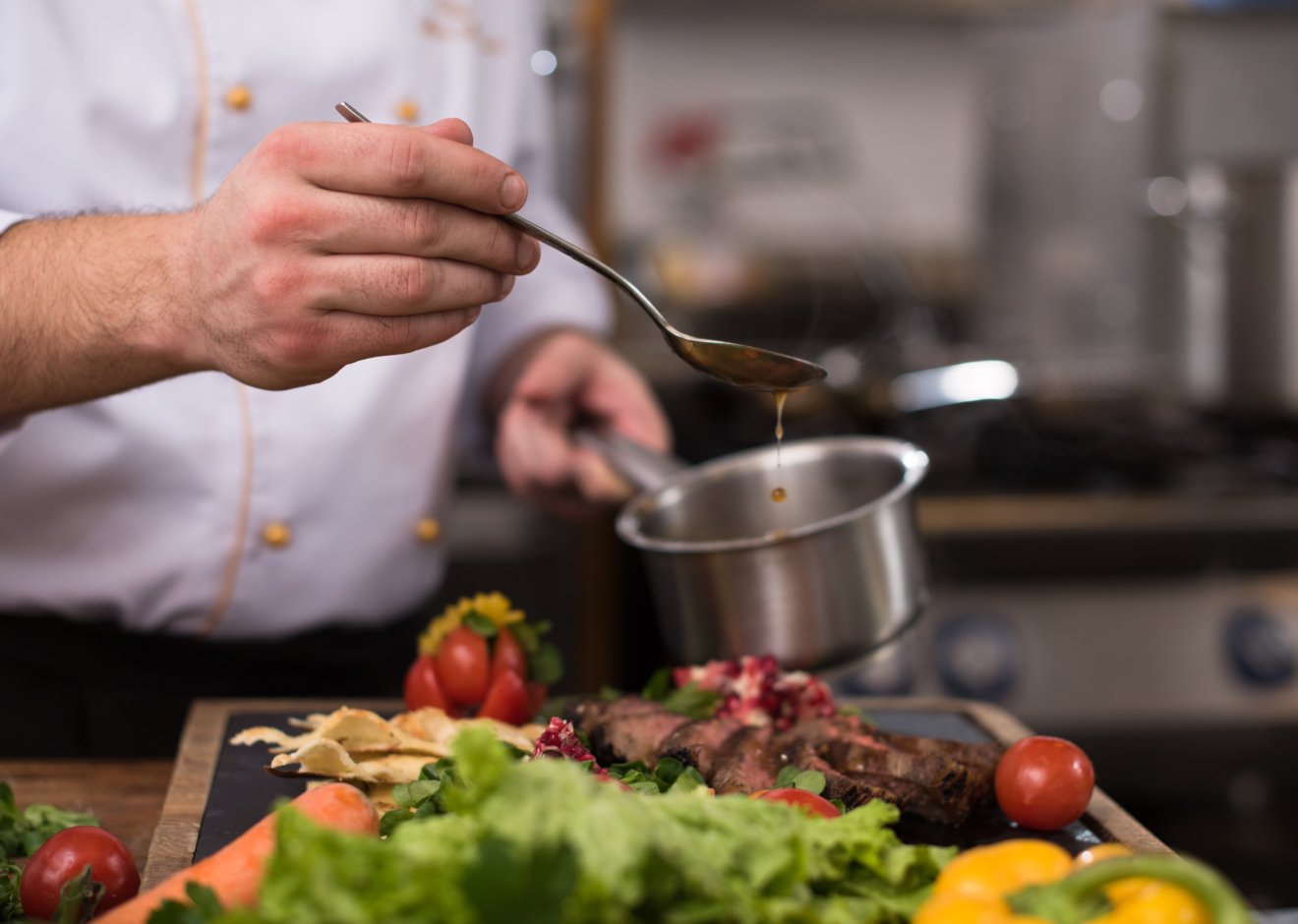
Searing, sautéing, and baking at precise moments enhances flavor, and chefs meticulously prep ingredients to ensure even cooking. Small mistakes at home — overcooking or underseasoning — can dramatically affect the final result.
Plating and Visual Perception
The way food is presented influences taste. Restaurants design plates with color contrast, portion arrangement, and garnishes to make meals visually appealing. Studies show that food looks tastier when it looks beautiful — the brain interprets presentation as part of the flavor experience.
Even minor attention to plating at home can elevate a simple dish.
Atmosphere and Dining Experience
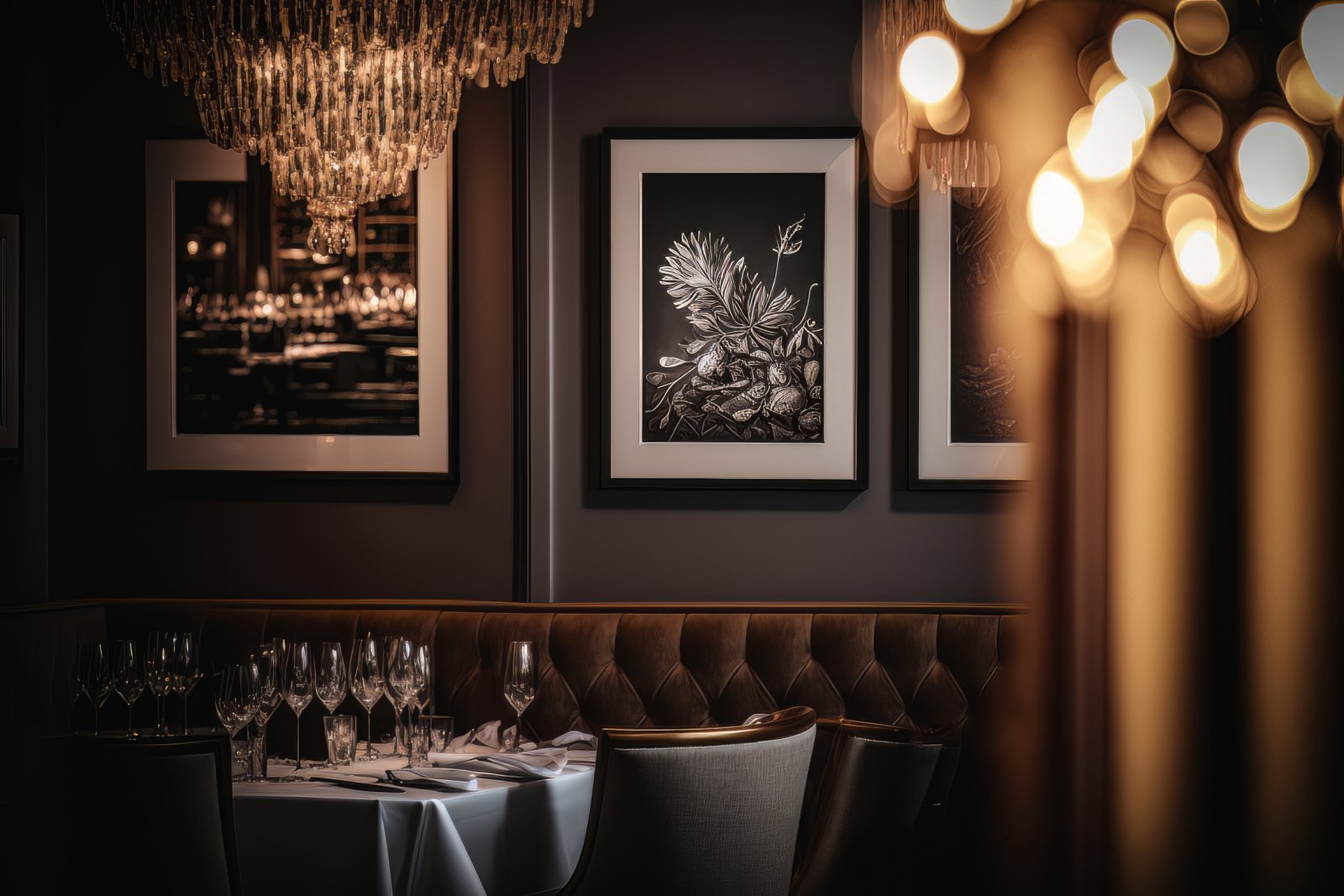
The environment also affects how we perceive flavor. Music, lighting, and overall ambiance can enhance enjoyment. Social settings, such as dining with friends or family, make meals more satisfying. At home, meals are often eaten quickly or while distracted, which can make the same dish feel less flavorful.
Fresh Ingredients and Prep Work
Restaurants often use the freshest ingredients and prepare them daily. Fresh herbs, freshly made sauces, and high-quality proteins naturally enhance taste. Home cooks often rely on convenience items — frozen, pre-packaged, or canned — which can reduce flavor depth.
Bringing Restaurant Flavor Home
You don’t need a professional kitchen to improve your dishes. A few strategic approaches can make a big difference:
- Cook at the right temperature: Higher heat can help sear and caramelize ingredients.
- Layer flavors: Incorporate umami-rich ingredients such as mushrooms, Parmesan, or a splash of stock.
- Finish with fat: Butter or a drizzle of oil can elevate texture and richness.
- Focus on presentation: Even simple meals feel more refined with careful plating.
- Mind the details: Proper seasoning, resting meat, and attention to timing are crucial.
Restaurant food tastes better because it combines precise technique, carefully layered flavors, and sensory psychology. High heat, flavor complexity, plating, and atmosphere all contribute to an enhanced dining experience.
The encouraging news is that with a few thoughtful adjustments — better ingredients, attention to detail, and smart techniques — it is possible to capture some of that magic in your own kitchen. Home-cooked meals can be both satisfying and extraordinary when approached with intention.