
Soft, fluffy, and perfectly golden, these homemade donuts are everything you want in a sweet treat. They’re lightly sweet, airy inside, and have that irresistible crisp edge from frying. Perfect for breakfast, dessert, or just because.
Table of Content
• What Are Donuts?
• Why You’ll Love This Recipe
• Recipe Variations
• How to Store & Reheat
• Frequently Asked Questions
What Are Donuts?
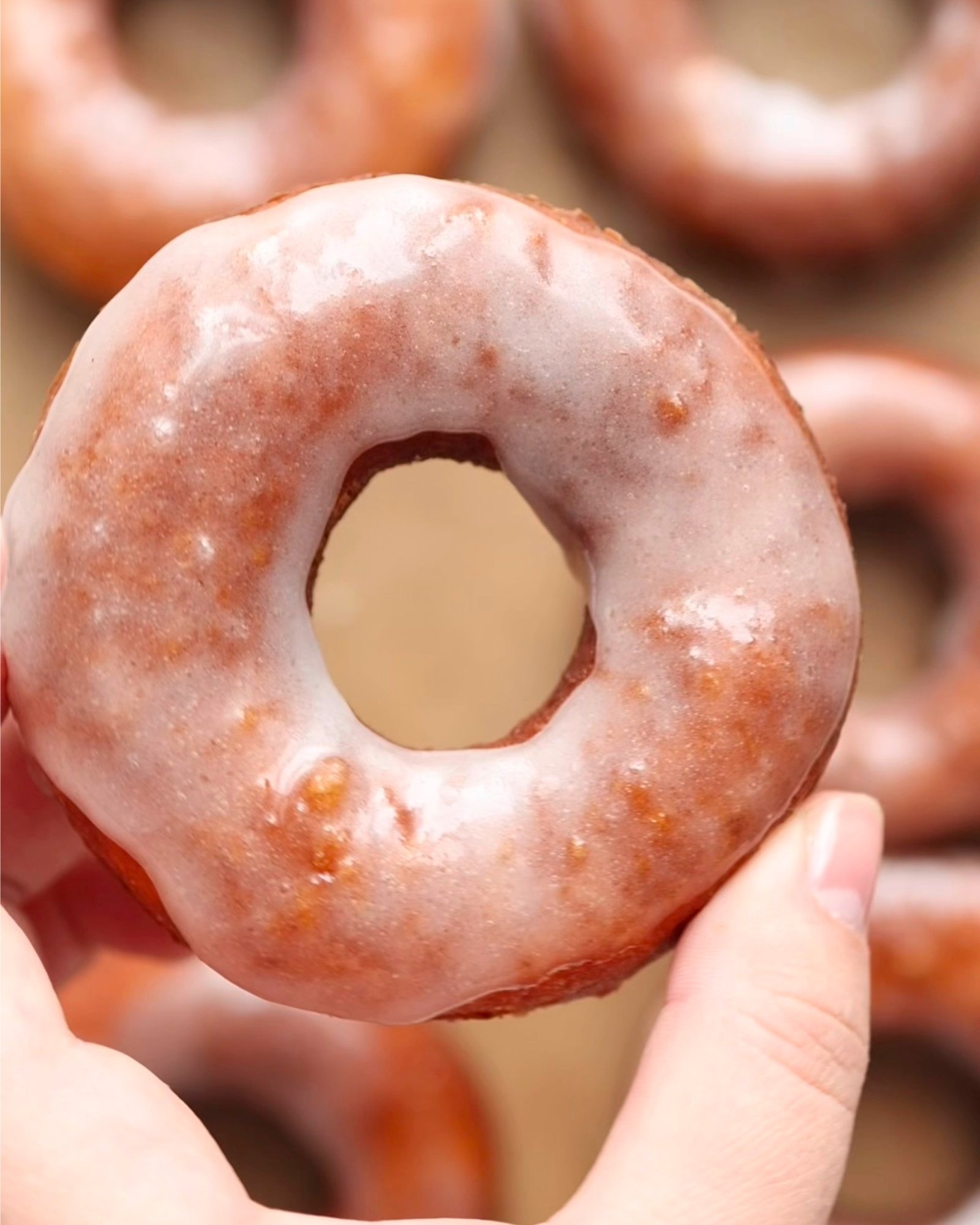
Donuts are deep-fried dough pastries that are soft and airy on the inside with a lightly crisp exterior. Classic yeast donuts, like in this recipe, rise slowly to create a fluffy, bread-like texture that melts in your mouth.
They’re often finished with powdered sugar, glaze, or various toppings, making them a versatile and universally loved treat.
Why You’ll Love This Recipe
• Soft, airy, bakery-style texture
• Simple ingredients you likely already have
• Perfect balance of sweetness
• Easy step-by-step process
• Great base for glazes and fillings
How to Make Donuts
Prepare the Ingredients
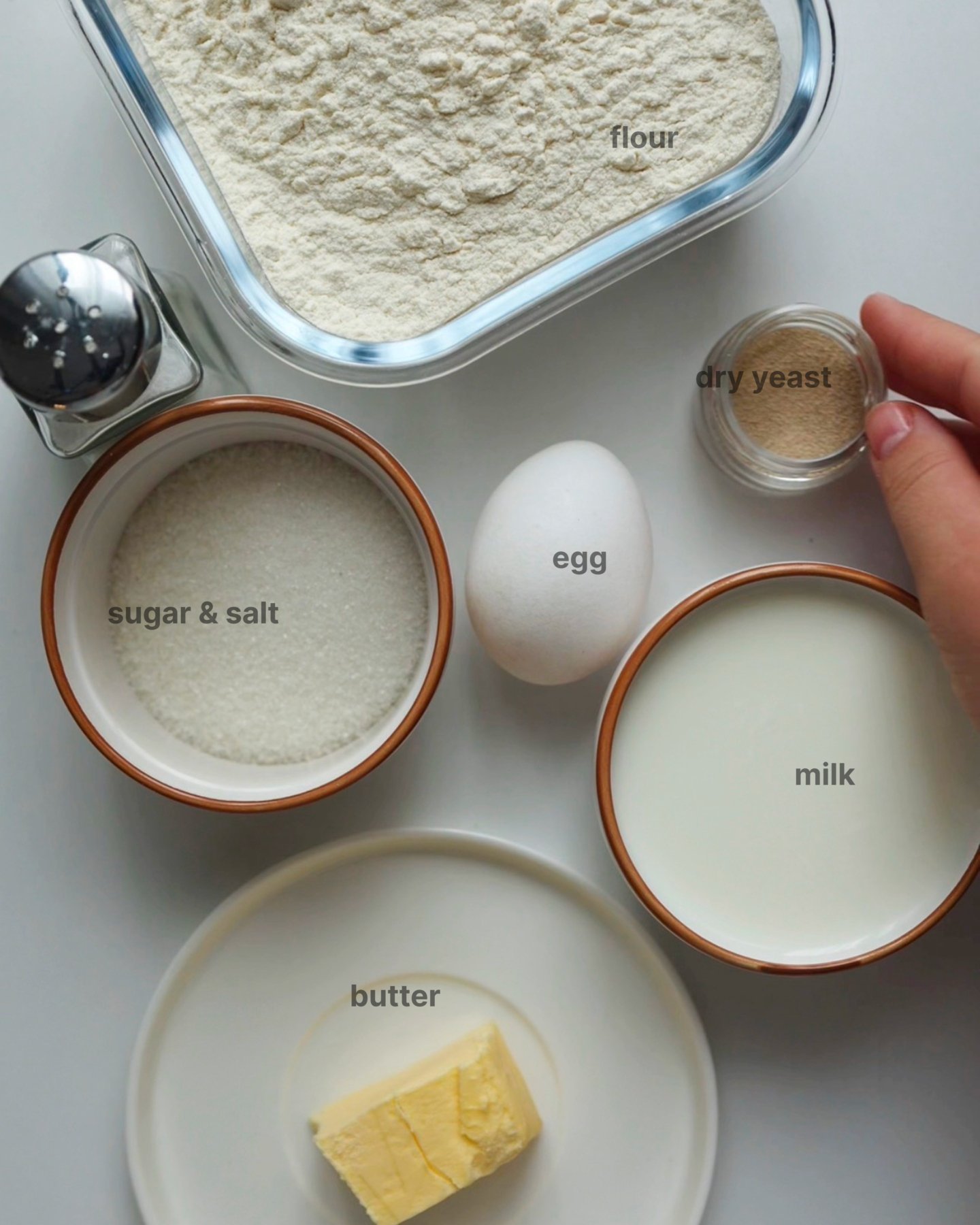
Step 1: Prepare the dry ingredients
In a large mixing bowl, combine the flour and dry yeast. Stir well to evenly distribute the yeast throughout the flour. This ensures a consistent rise and prevents uneven texture in your donuts.
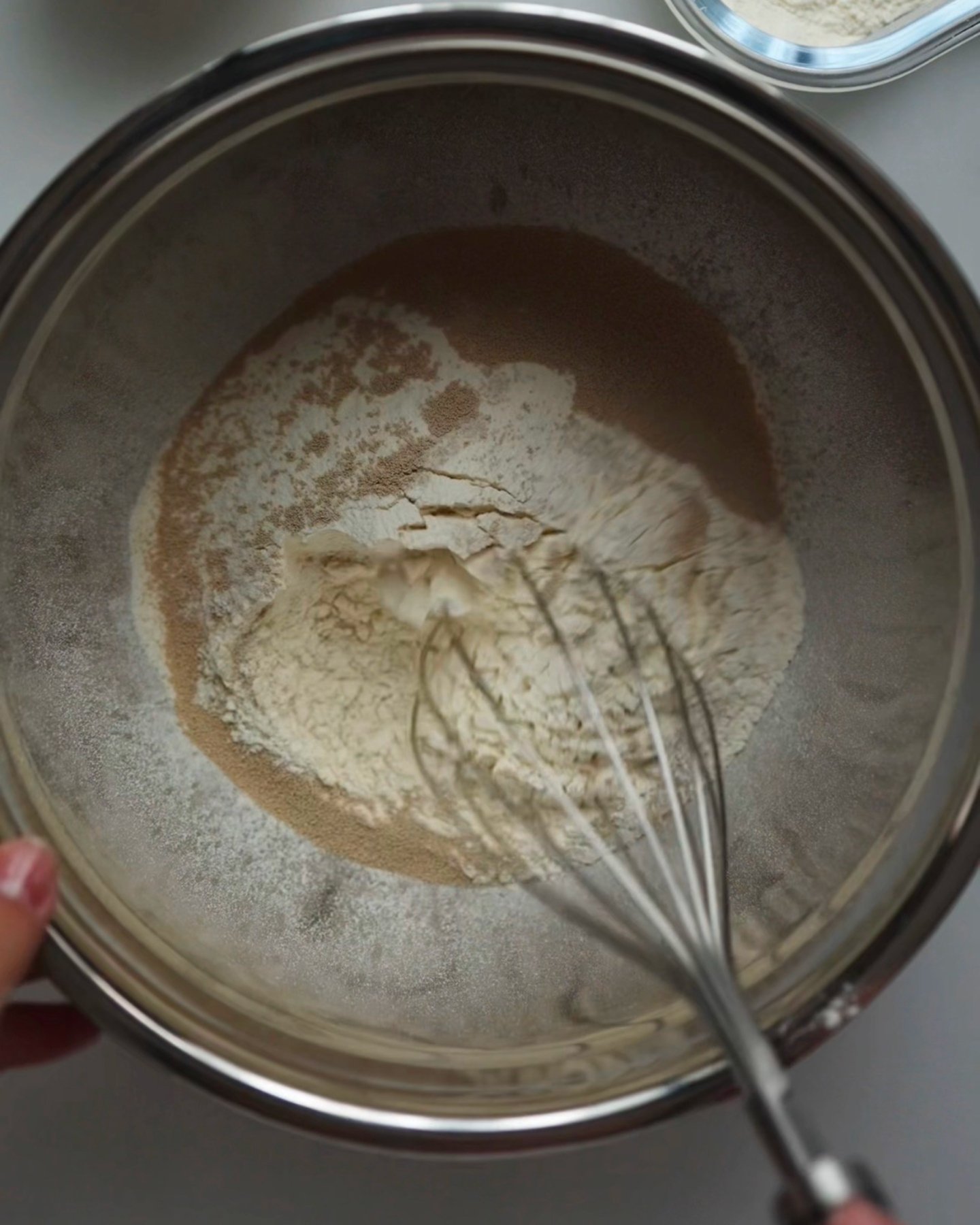
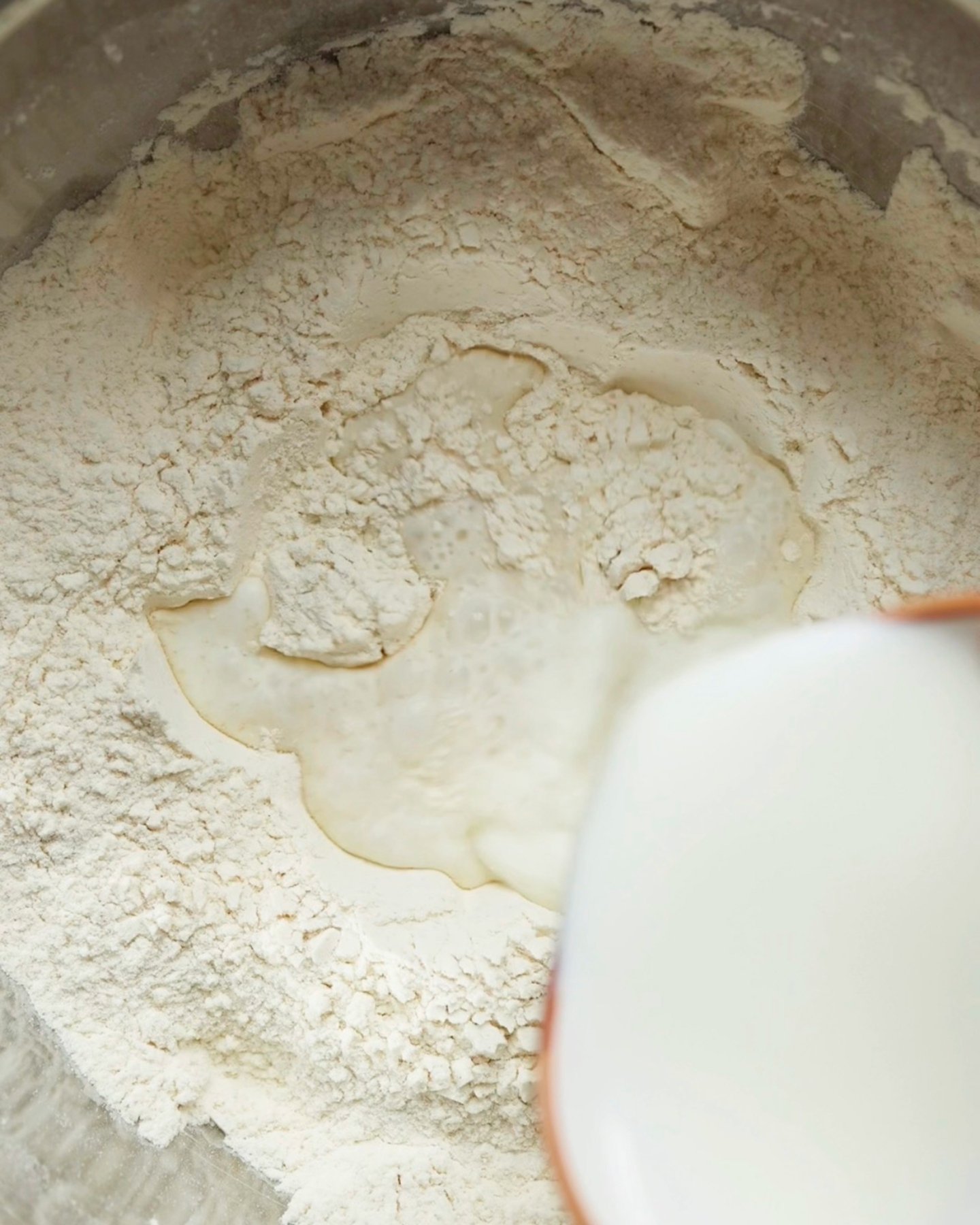
Step 2: Add liquid ingredients
Pour in the warm milk, then add the sugar and salt. Begin mixing with a spoon or spatula until the ingredients start to come together into a shaggy dough. At this stage, don’t worry about it being perfectly smooth yet.
Step 3: Add butter
Add the melted butter (make sure it’s slightly cooled, not hot). Mix again until the butter is fully absorbed into the dough. This step adds richness and softness to the final texture.
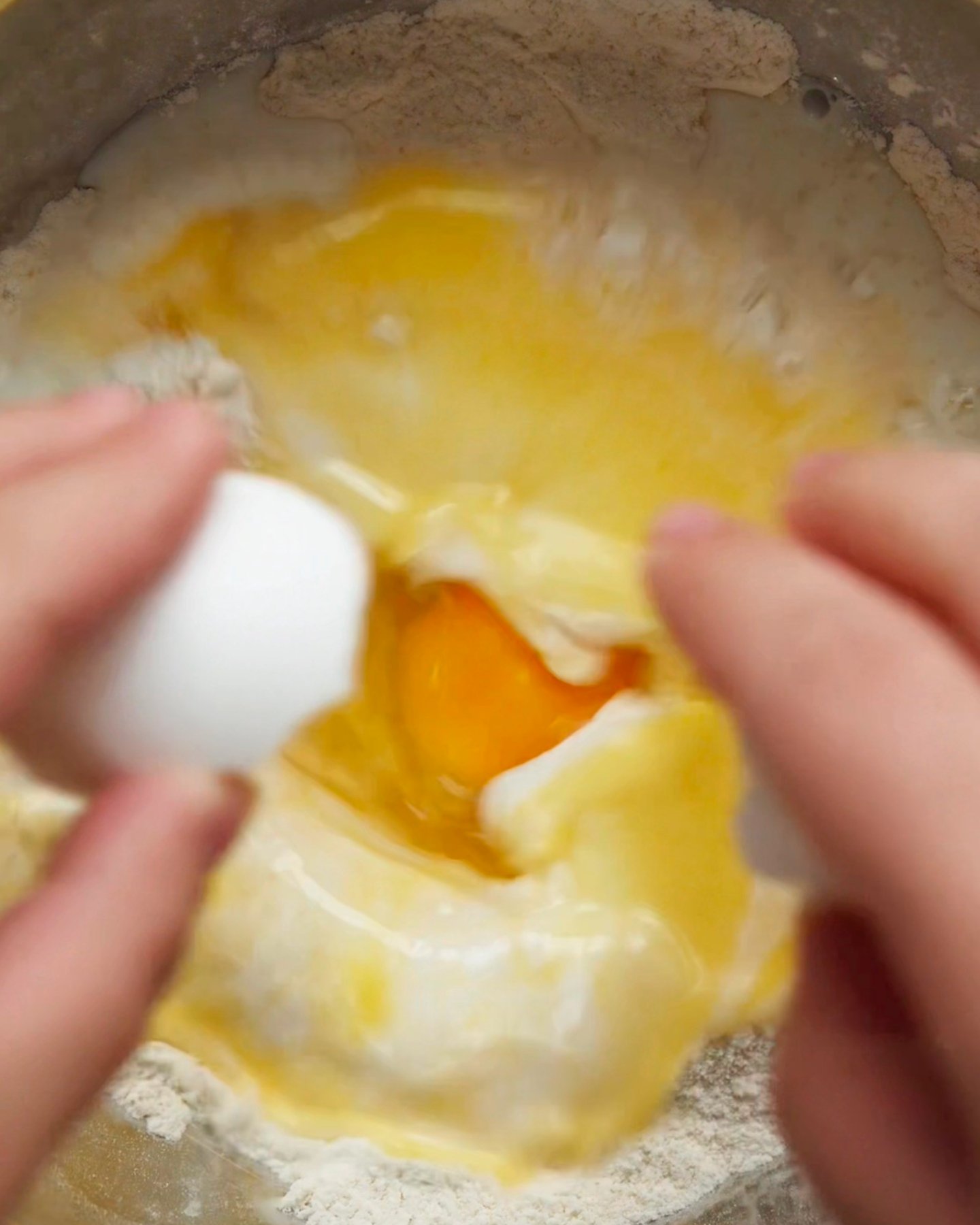
Step 4: Add the egg and knead
Crack in the egg and start kneading the dough. You can do this by hand or with a stand mixer. Knead for about 8–10 minutes until the dough becomes smooth, elastic, and slightly tacky but not sticky. If needed, lightly dust your hands with flour, but avoid adding too much.
Step 5: First rise
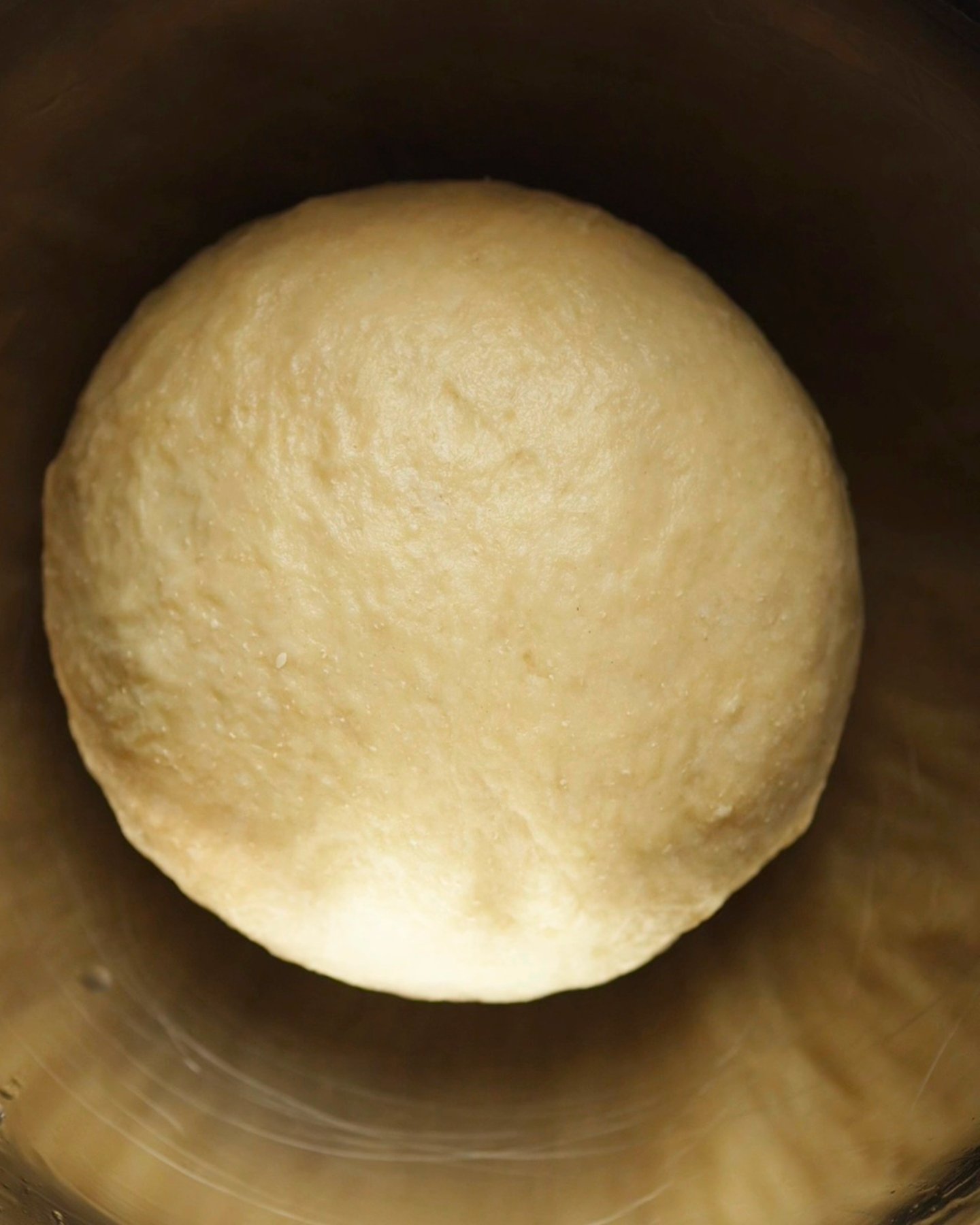
Shape the dough into a ball and place it in a lightly greased bowl. Cover with a towel or plastic wrap and leave it in a warm place for 1–1.5 hours, or until it doubles in size. This step is key for achieving soft, fluffy donuts.
Step 6: Shape the donuts
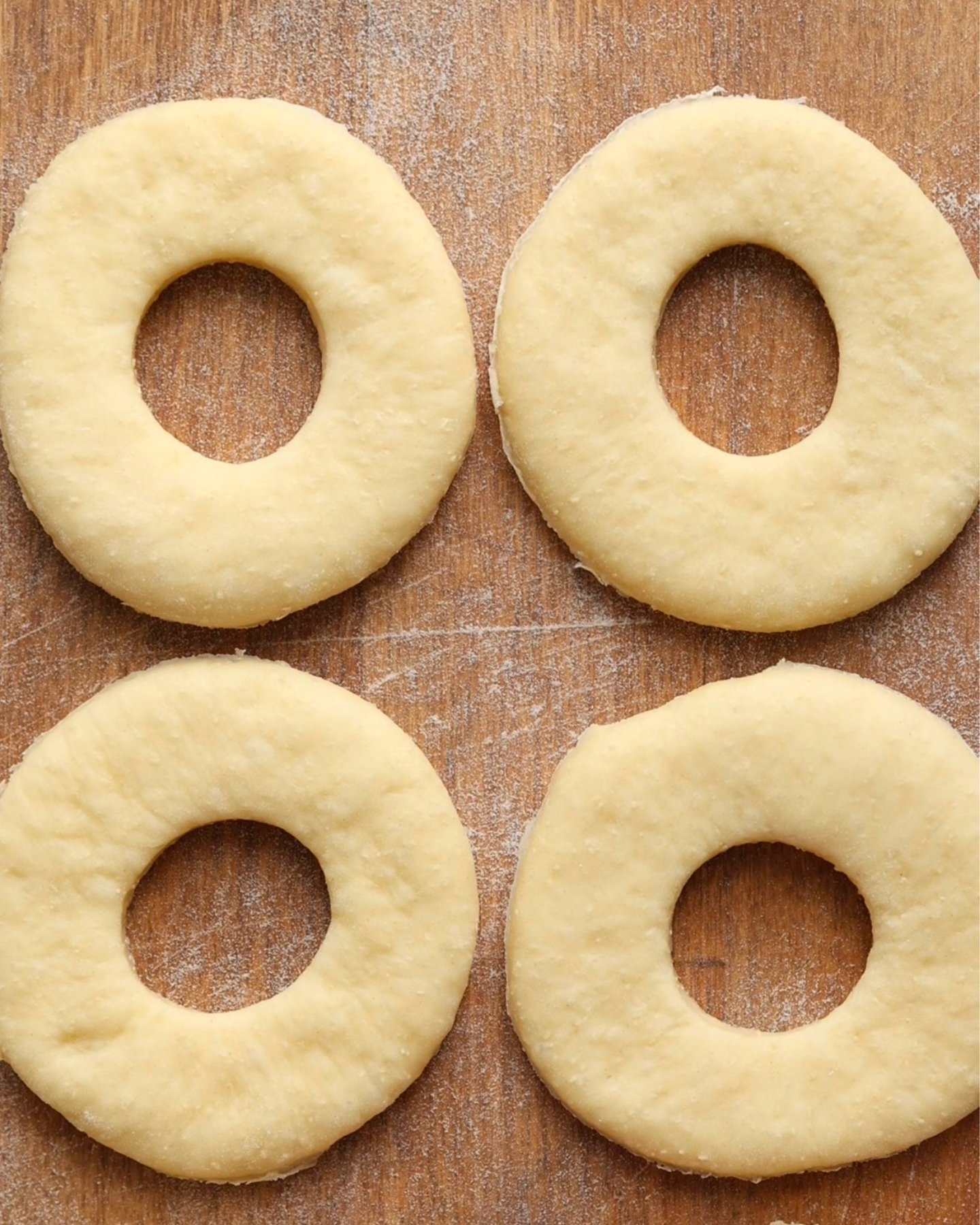
Once risen, gently deflate the dough and transfer it to a floured surface. Roll it out to about 1 cm thickness. Use a round cutter (or a glass) to cut out circles, and a smaller cutter to create the center hole.
Step 7: Second rise
Place the shaped donuts on a tray lined with parchment or lightly floured. Cover them and let them rest for 15–20 minutes. They will puff up slightly, which helps create that airy texture when fried.
Step 8: Fry the donuts
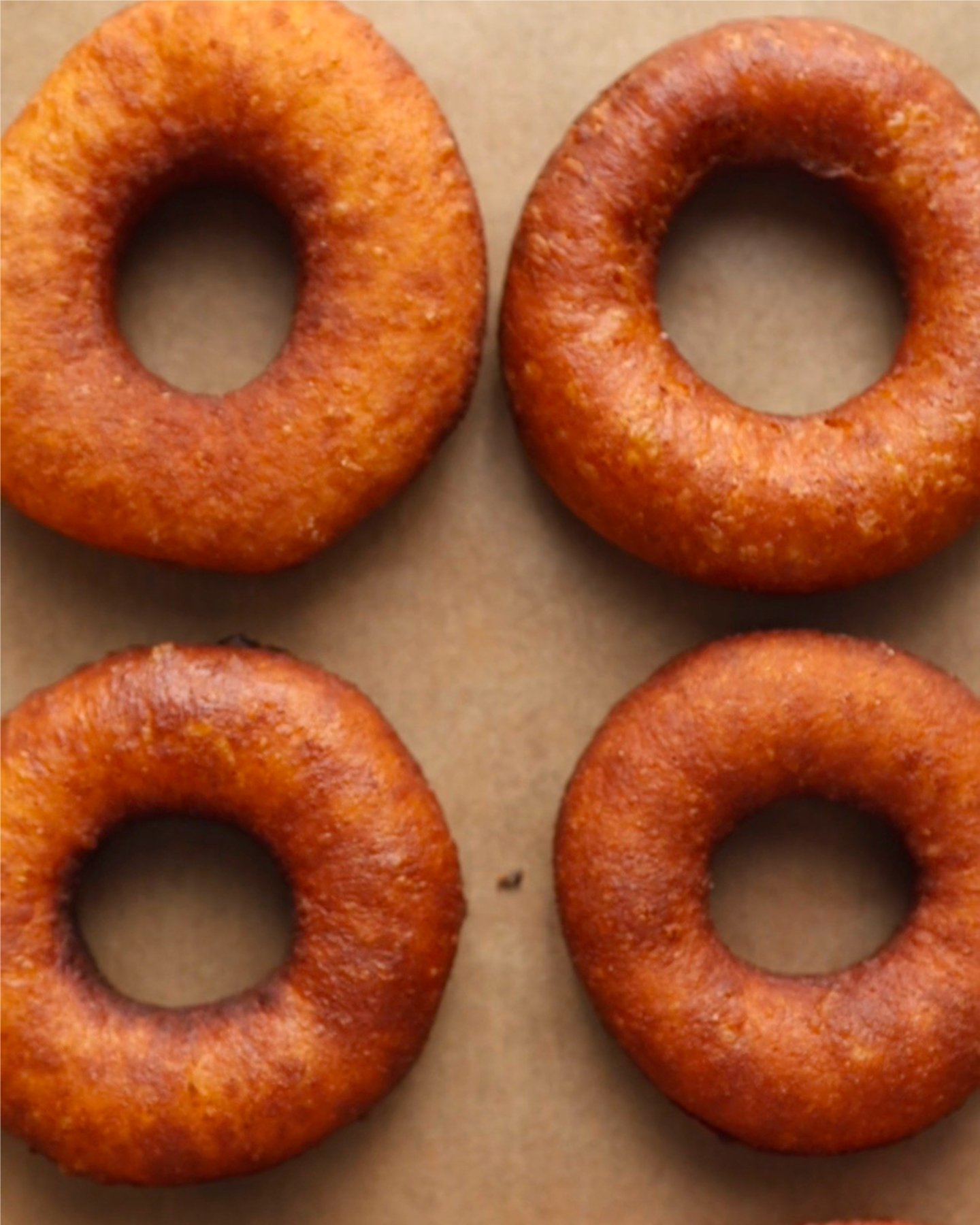
Heat vegetable oil in a deep pan to about 170–180°C (340–355°F). Carefully place the donuts into the hot oil, frying a few at a time. Fry each side for about 1–2 minutes until golden brown. Avoid overcrowding the pan to maintain even cooking.
Step 9: Finish and serve
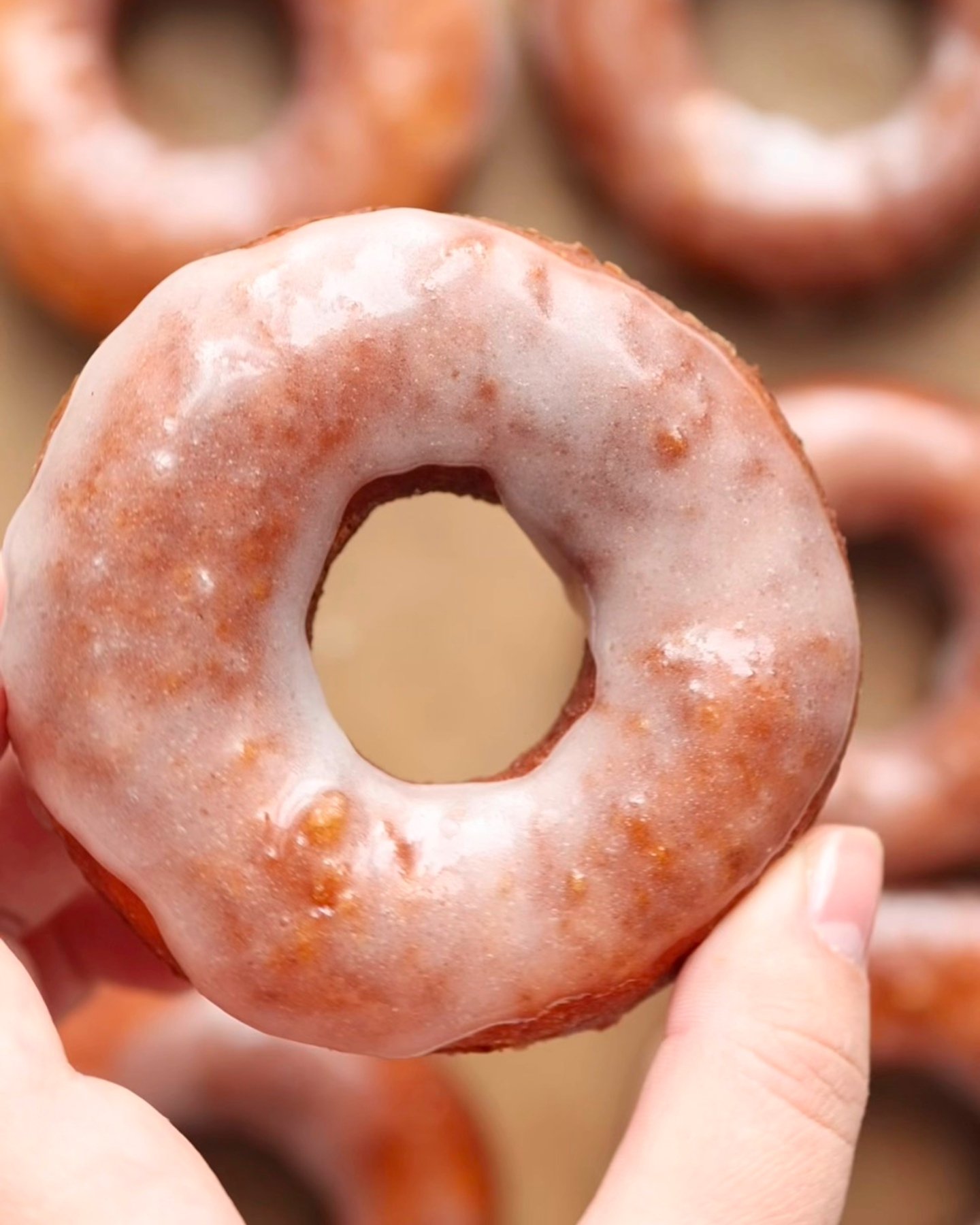
Remove the donuts with a slotted spoon and transfer them to a paper towel to drain excess oil. While still slightly warm, dust generously with powdered sugar or dip in your favorite glaze.
Recipe Variations
• Chocolate glaze: Dip donuts in melted chocolate or cocoa glaze
• Filled donuts: Skip the hole and fill with jam, cream, or custard
• Cinnamon sugar: Toss warm donuts in cinnamon and sugar mixture
• Baked version: Bake at 180°C / 350°F for 12–15 minutes (texture will differ slightly)
How To Store
• Store donuts in an airtight container at room temperature for up to 2 days
• Reheat briefly in the microwave (10–15 seconds) for softness
• Best enjoyed fresh, but can be frozen and reheated
Frequently Asked Questions
Why didn’t my dough rise?
Your yeast may be inactive, or the milk temperature was too hot or too cold.
Can I make the dough ahead of time?
Yes, you can refrigerate the dough overnight after the first rise. Let it come to room temperature before shaping.
Why are my donuts oily?
The oil temperature may be too low. Make sure it stays around 170–180°C.