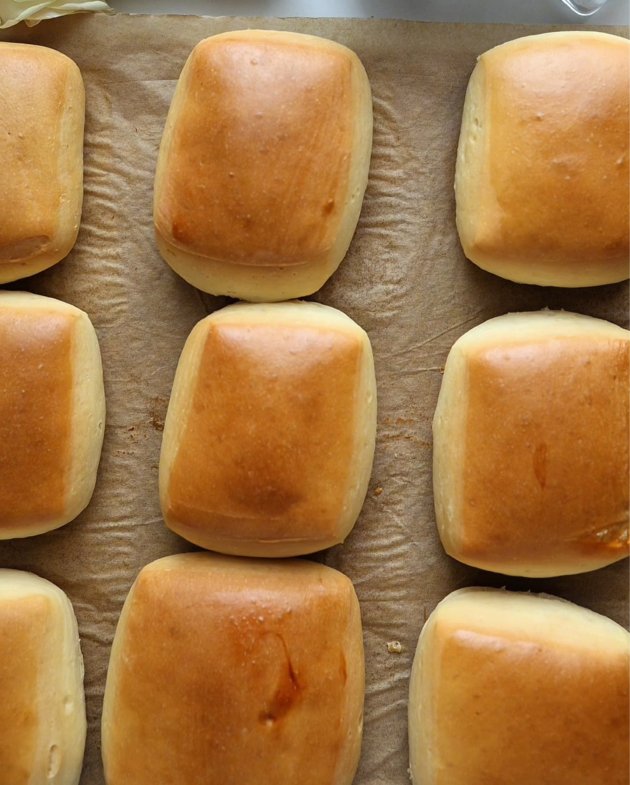
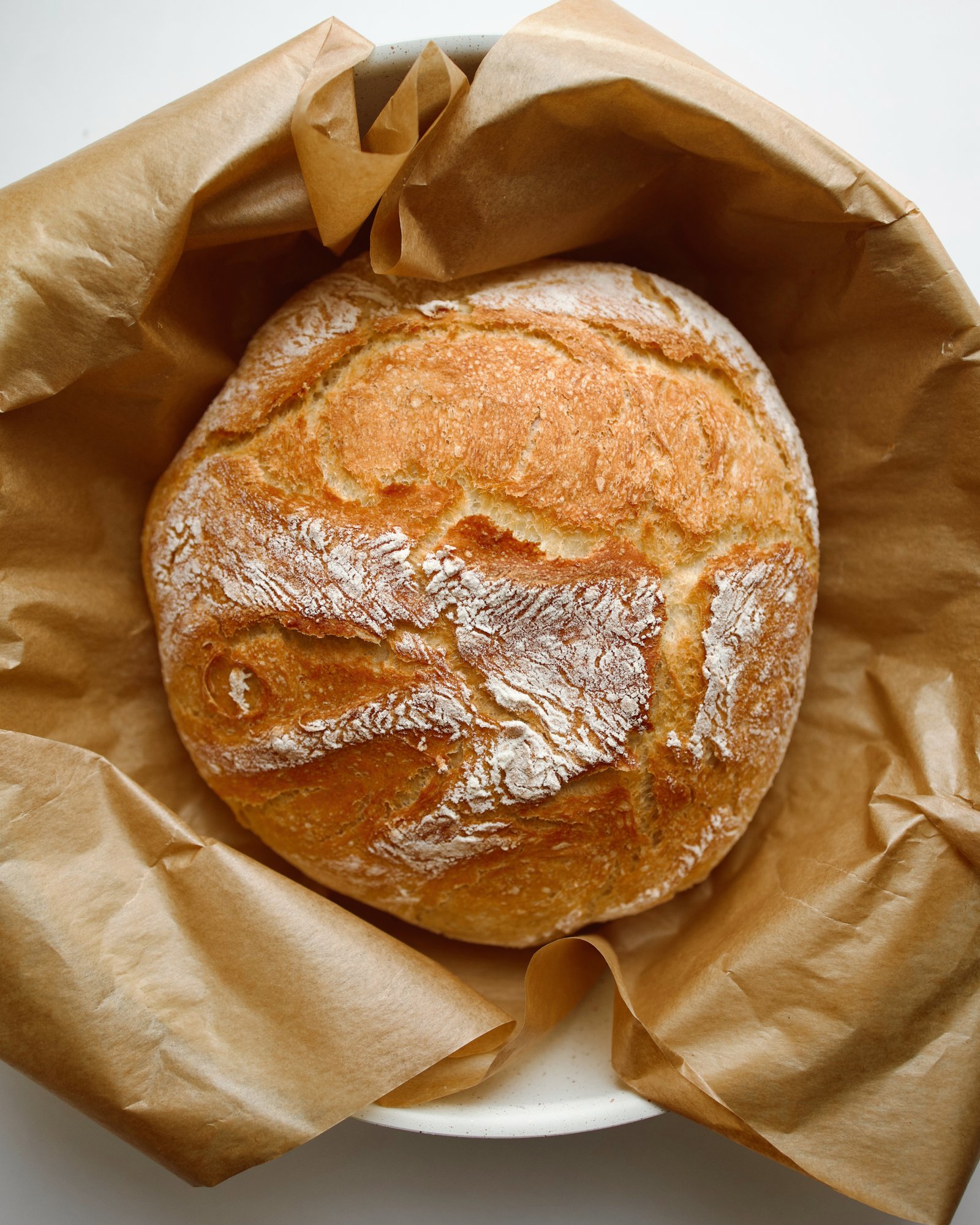

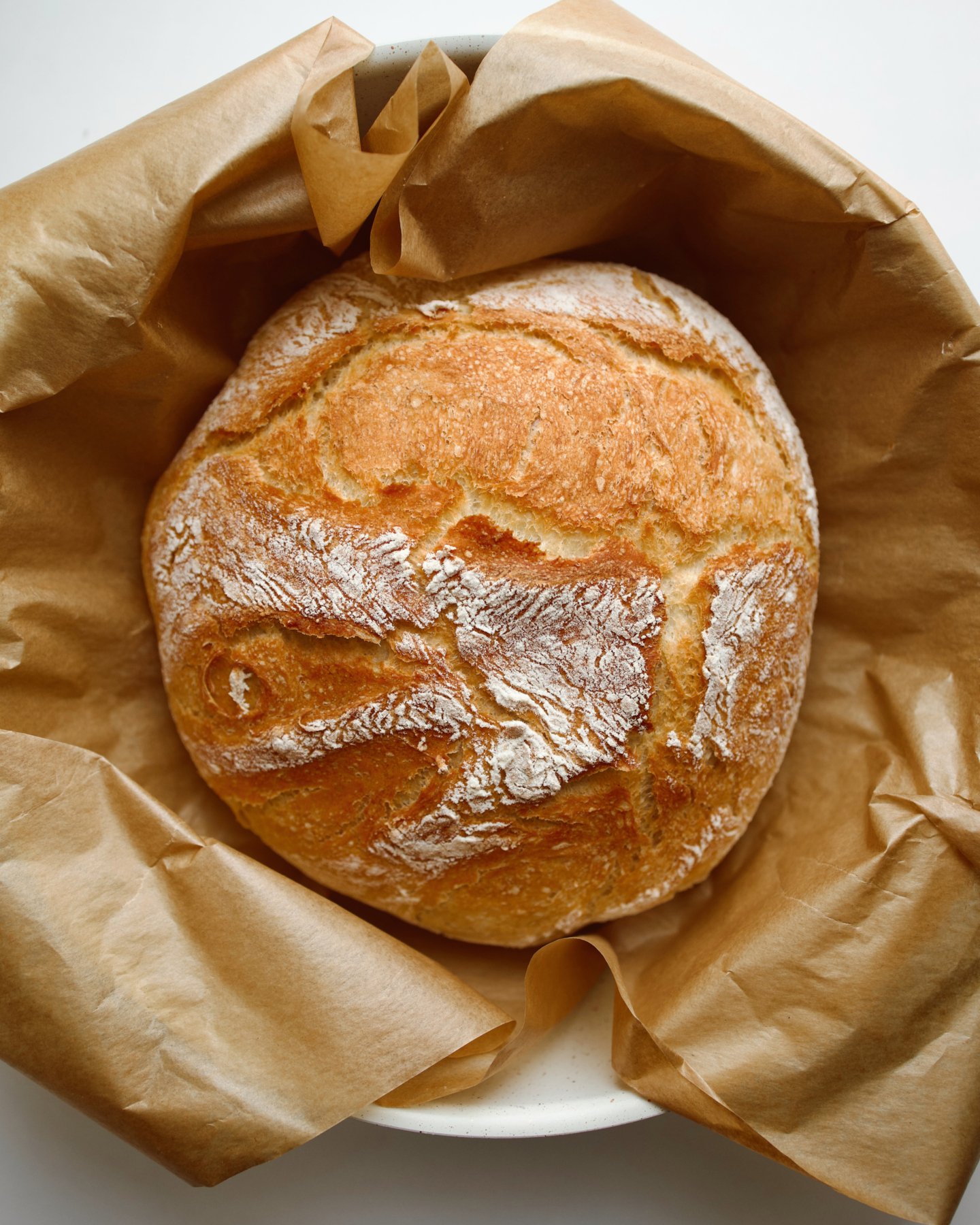
There’s nothing better than the smell of freshly baked homemade bread filling the kitchen. This rustic crusty bread has a beautifully golden, crispy exterior with a soft, airy center — all made with just a few simple pantry ingredients.
The best part? You don’t need any special equipment or complicated techniques to make it. With a little patience and a hot Dutch oven, you’ll get bakery-style bread right at home.
Table of Contents
- What Is Homemade Crusty Bread?
- Why You’ll Love This Recipe
- How to Make Homemade Crusty Bread
- Recipe Variations
- How to Store & Reheat
- Frequently Asked Questions
What Is Homemade Crusty Bread?
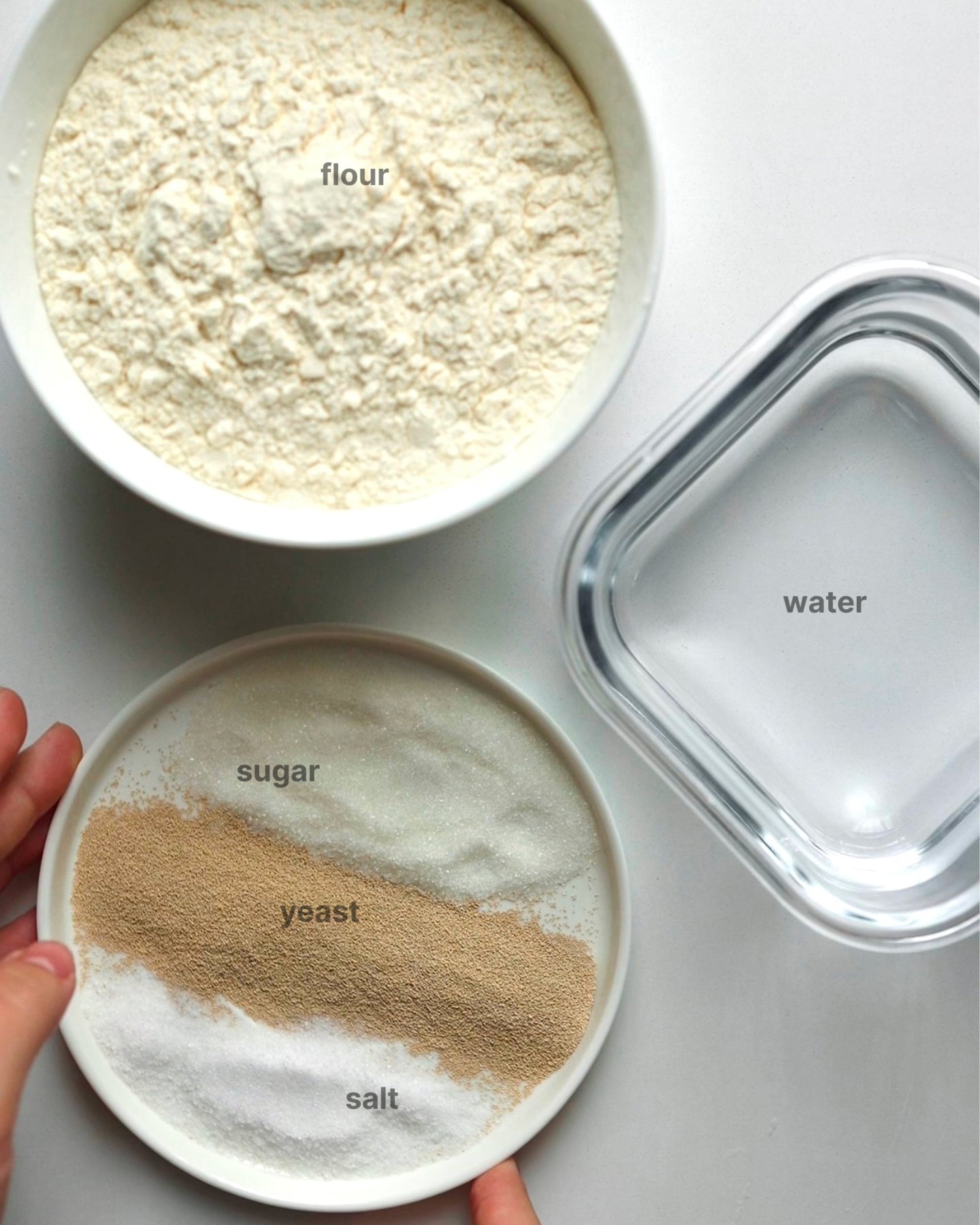
Homemade crusty bread is a rustic artisan-style loaf known for its crisp golden crust and soft, chewy interior. It’s made with simple ingredients like flour, water, yeast, salt, and sugar, but the folding and baking technique creates an impressive bakery-style texture.
This type of bread is perfect for sandwiches, soups, breakfast toast, or simply serving warm with butter and olive oil.
Why You’ll Love This Recipe
- Crispy bakery-style crust
- Soft and airy inside
- Made with only a few simple ingredients
- No kneading required
- Perfect for beginners
- Great for sandwiches, soups, or toast
- Smells incredible while baking
How to Make Homemade Crusty Bread
Prepare the Ingredients
Step 1: Mix the Dough
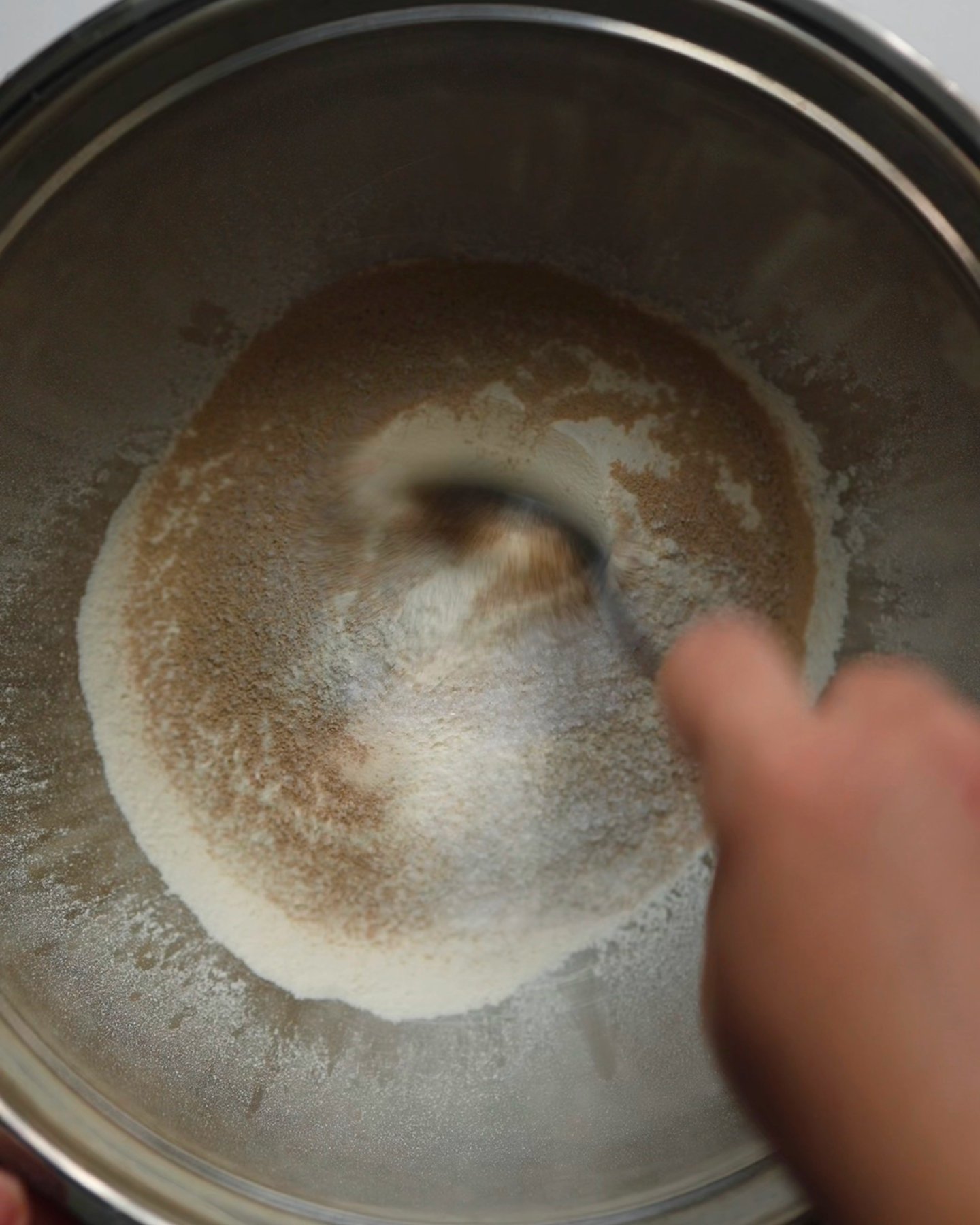
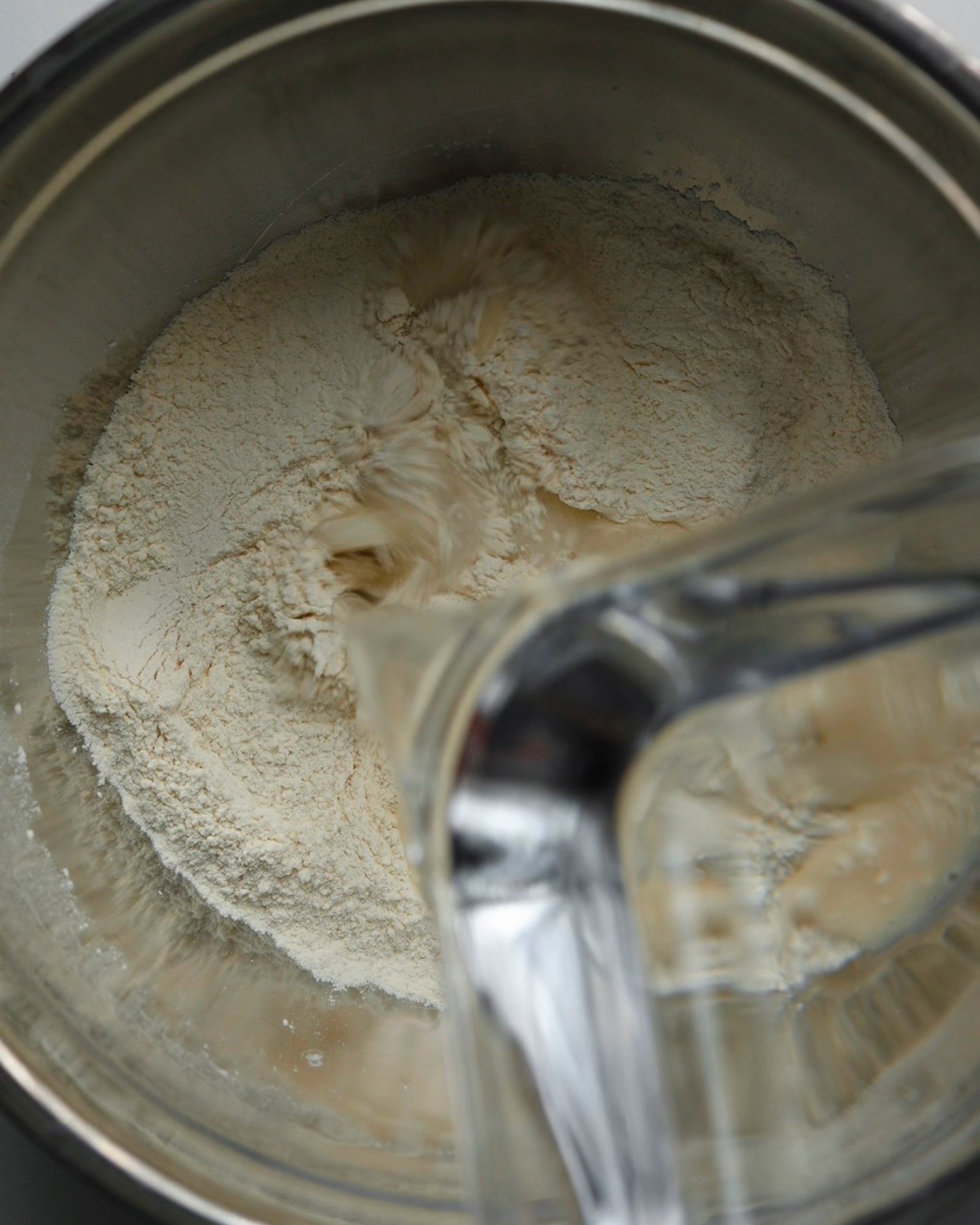
In a large mixing bowl, combine the flour, salt, sugar, and yeast. Pour in the warm water gradually while mixing everything together with a spoon or your hands.
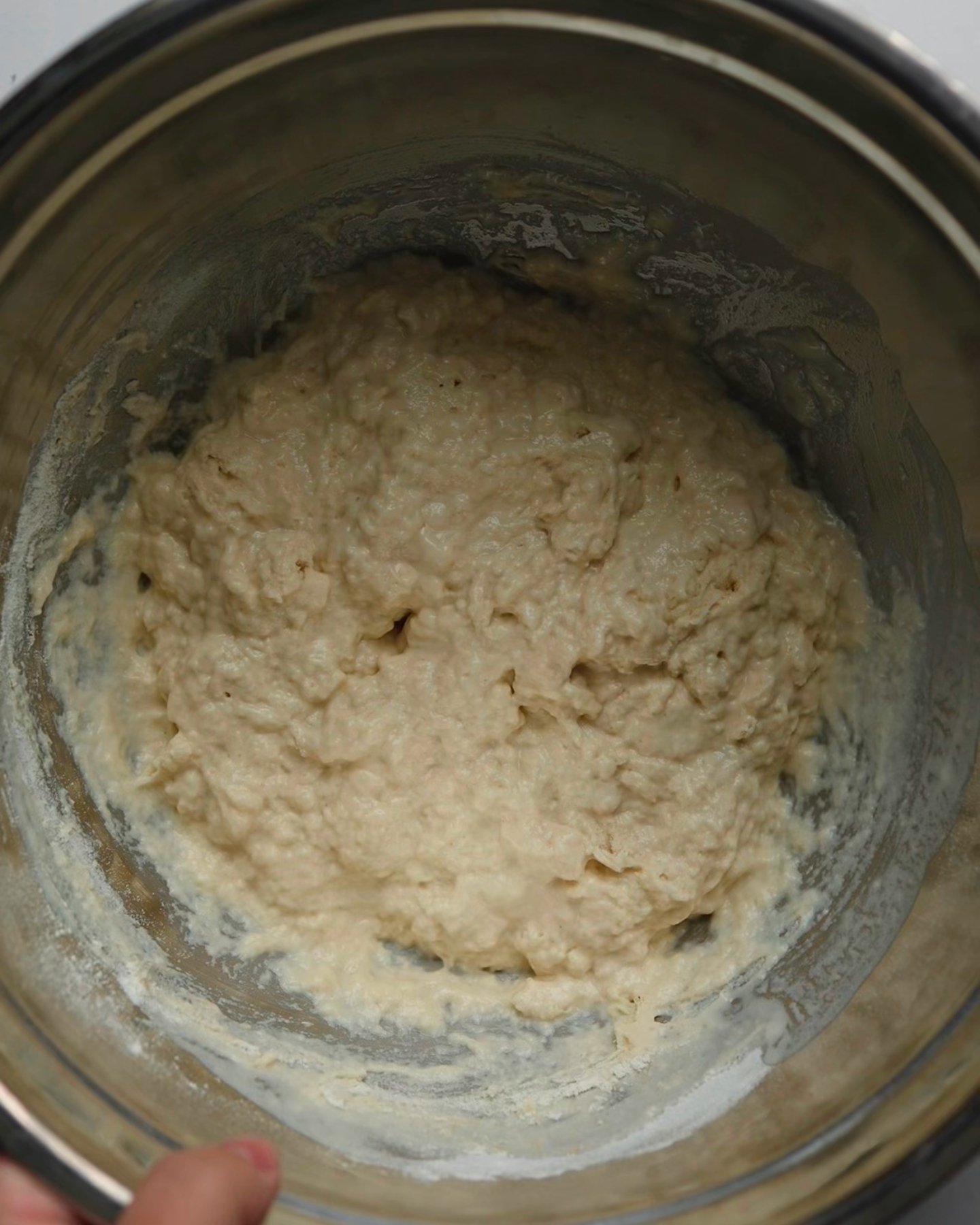
Continue mixing until no dry flour remains. The dough will look shaggy and slightly sticky — that’s completely normal. You do not need to knead the dough for this recipe.
Cover the bowl with a towel or plastic wrap and let the dough rest at room temperature for 1 hour. During this time, the dough will become softer, smoother, and slightly puffed up.
Step 2: Fold the Dough
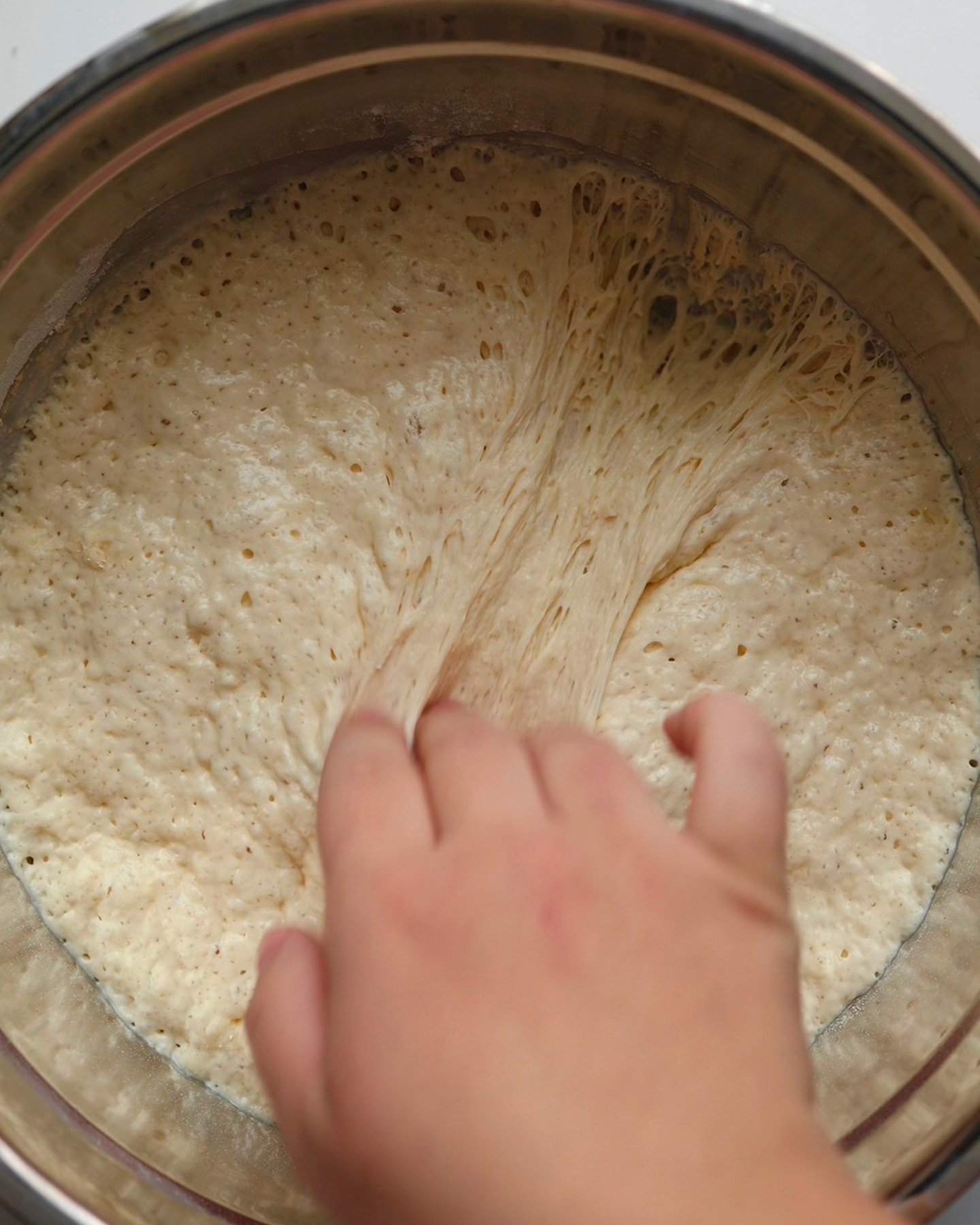
After the dough has rested, lightly wet your hands to prevent sticking. Gently pull one side of the dough upward and fold it toward the center. Rotate the bowl and repeat this process.
Fold the dough about 7 times in total. This technique helps build structure and creates those beautiful airy pockets inside the bread without traditional kneading.
You’ll notice the dough becoming smoother and more elastic after folding.
Step 3: Shape the Bread
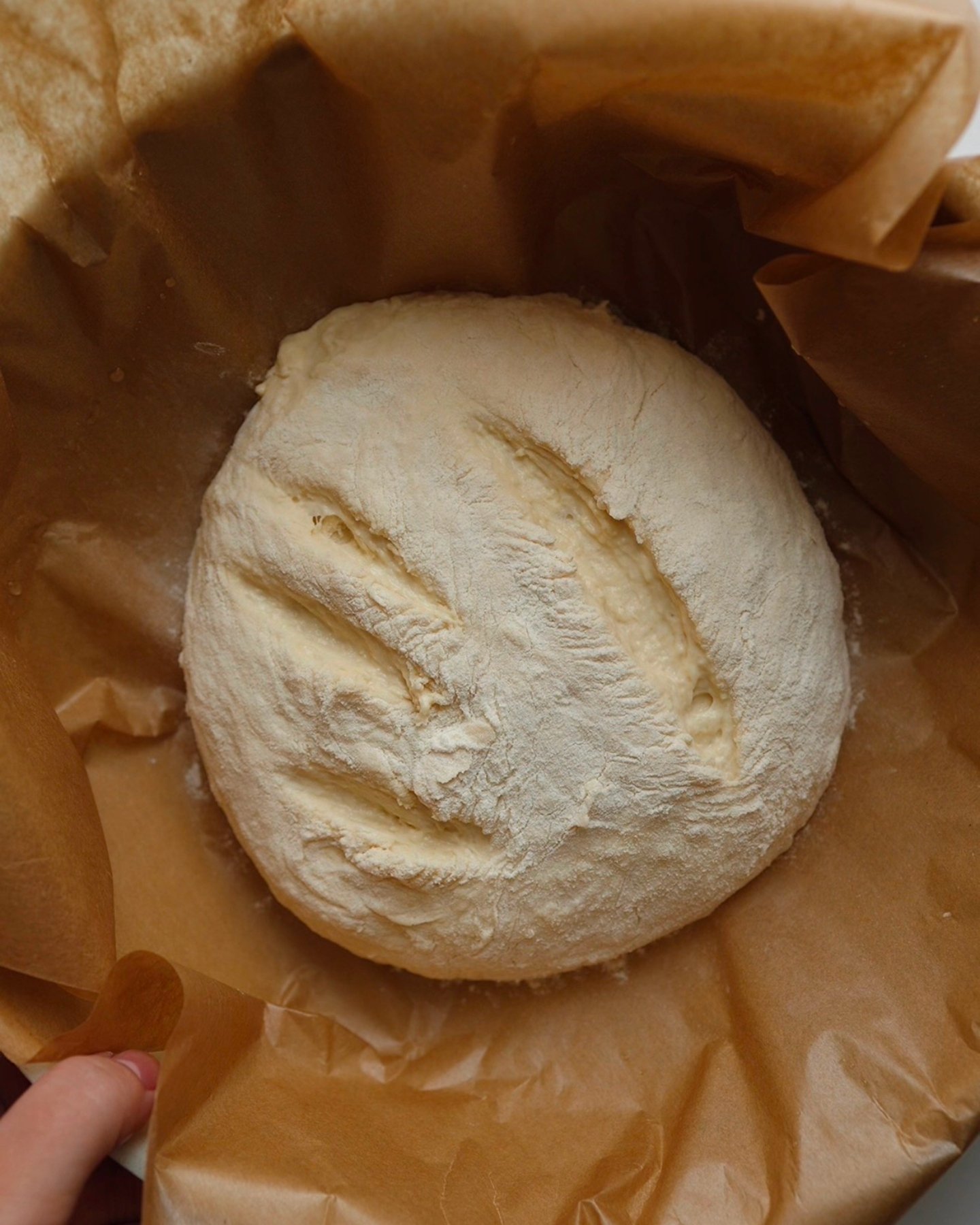
Lightly flour your work surface and transfer the dough onto it. Shape the dough into a round ball by gently tucking the edges underneath.
Prepare a baking dish or Dutch oven by lightly flouring the bottom or lining it with parchment paper. Carefully transfer the dough into the dish seam-side down.
Using a sharp knife or bread lame, score the top of the dough with one or two cuts. This helps the bread expand properly while baking.
Step 4: Bake the Bread
Preheat the oven to 240°C (465°F).
Cover the Dutch oven or baking dish with a lid and bake the bread for 40 minutes. The steam trapped inside helps create the crispy artisan crust.
After 40 minutes, remove the lid and reduce the oven temperature to 200°C (390°F). Continue baking uncovered for another 10 minutes until the crust becomes deep golden brown and crisp.
The bread should sound hollow when tapped on the bottom.
Step 5: Cool Before Slicing
Transfer the bread onto a wire rack and let it cool for at least 1 hour before slicing.
Although it’s tempting to cut into it immediately, cooling allows the inside texture to fully set and keeps the bread soft and airy.
Recipe Variations
- Whole wheat version: Replace up to 30% of the flour with whole wheat flour
- Garlic herb bread: Add dried herbs and minced garlic to the dough
- Cheese bread: Mix shredded cheddar or parmesan into the dough
- Seeded crust: Top the loaf with sesame, sunflower, or flax seeds before baking
- Extra crispy crust: Place a small tray of hot water in the oven during baking
How to Store & Reheat
- Store the bread at room temperature wrapped in a kitchen towel or paper bag for up to 3 days
- Avoid refrigerating, as it can dry out the bread faster
- Reheat slices in a toaster or warm oven for a freshly baked texture
- The bread can also be frozen for up to 2 months
Frequently Asked Questions
Why is my bread dense?
Dense bread usually happens when too much flour is added or the dough hasn’t rested long enough. Make sure the dough stays soft and slightly sticky.
Can I use instant yeast?
Yes! Instant yeast works perfectly in this recipe and can be mixed directly with the dry ingredients.
Do I need a Dutch oven?
A Dutch oven gives the best crust because it traps steam, but you can also use any deep oven-safe dish with a lid.
Why should I wait before slicing the bread?
Fresh bread continues cooking slightly as it cools. Cutting it too early can make the inside gummy.